

On April 2, the American Alpine Club (AAC), the leading climbing advocacy organization in the United States, announced a mentorship program for young alpinists, dubbed “Alpine Track.”
Europe has a rich history of formal alpine mentorship, successful programs include the Groupe Excellence Alpinisme National in France, the German Alpine Club's Expeditionskader (Expedition Team), and the United Kingdom's Young Alpinist Group. But if the Alpine Track takes root in the U.S., it will be the nation's first enduring mentorship pipeline—succeeding where past efforts, such as Steve House’s short-lived Alpine Mentors project, couldn't.
Montana-based IFMGA guide and alpinist Sam Hennessey is one of the program’s two coaches, along with Anne Gilbert Chase. He told The Outdoor Journal that the program will accept four male and four female applicants, who will participate in four weeklong meetings over the course of the one-year program. Each meeting will take place in a different alpine climbing zone: the Tetons, Bozeman, Cody, and the North Cascades.
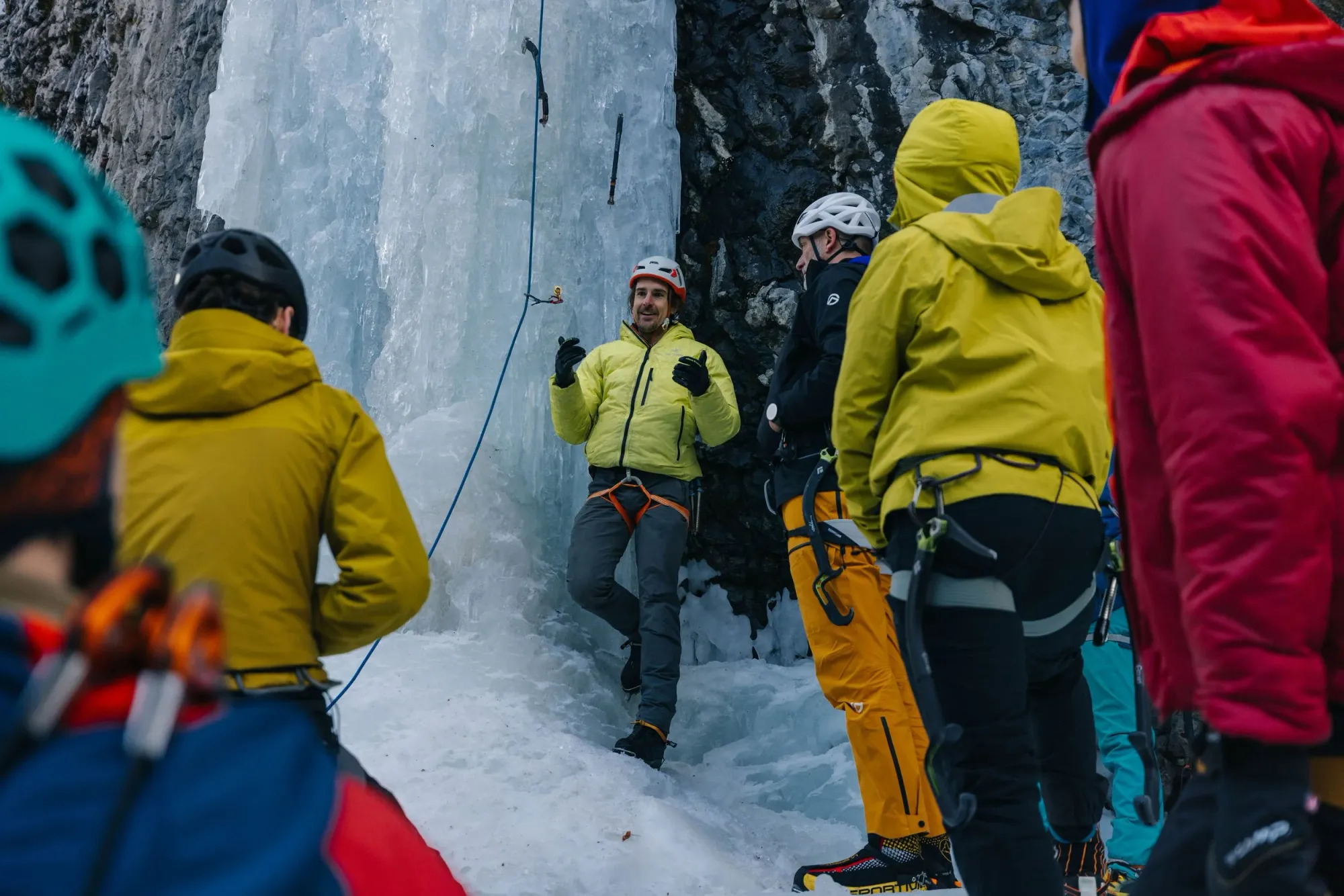
“I think one of the things that is challenging about the U.S. for alpine climbing, is that communities are often located far from the mountains, and it can be hard for younger climbers to get linked up with more experienced partners,” Hennessey said. “Overall, the number of climbers who are interested in alpinism is small compared with rock climbing, so it can be hard to get into the community, unless you grow up in a place like Bozeman.”
Hennessey said this can put a dangerous gap in the learning curve for young, aspiring alpinists. “When you add in to that the fact that climbing in the mountains is dangerous in a way that rock climbing simply isn’t, you have a recipe for lots of young people doing lots of sketchy stuff as they figure things out,” he explained. “I know that was the case for me. I was lucky enough to meet a bunch of more experienced climbers as I started my career as a mountain guide, but not everyone has that opportunity.”
The Alpine Track, Hennessey explained, will try to minimize the risk associated with alpine climbing in a number of ways. For starters, the program won’t focus on high-end performance, but fundamentals, and safe, responsible climbing technique. “We’re focusing on rescue skills, efficiency, and building a responsible approach to the mountains that hopefully leads to long careers,” he said, “as well as trying to build a tight partnership between the team members and the alpine climbing community.”
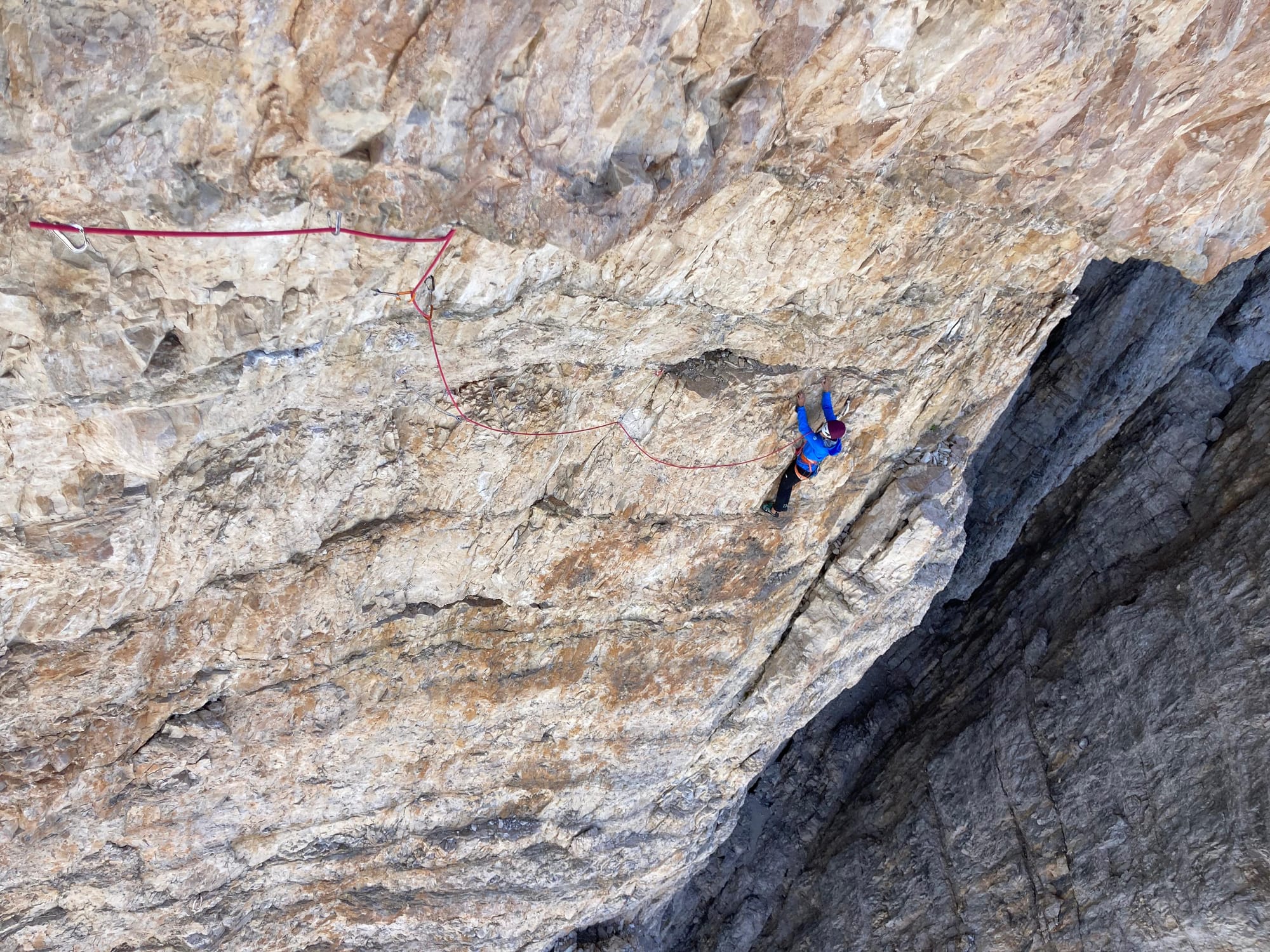
The program won’t entail a formal expedition, and won’t focus on large alpine routes, where margins for error are generally slimmer. “Finally, by making the program an explicit part of the AAC, rather than being associated with one person,” Hennessey said, “we’ll hopefully avoid the connotation that it’s a pipeline to sponsorship or doing extreme routes, and focus more on the community aspect.”
It's not exactly a stretch to say that in today's hyper-connected landscape, the lack of formal mentorship can leave ambitious young climbers feeling that the only way to advance is by executing high-risk, "Instagram-worthy" ascents to secure sponsorships. In addition to being dangerous, this pipeline can arguably inadvertently reward luck rather than skill. So by removing the pressure of major expeditions and focusing purely on fundamentals, the AAC aims to decouple alpine development from the demands of modern climbing media.
Hennessey said the launch of the program also has the potential to change the oft-skewed demographics of alpine climbing. “Following the launch of the women’s team in Germany, the percentage of women in mountain guide training has at least doubled, and the same is true in Austria,” he said. “A really high percentage of the leading female alpinists in Europe have come from these teams.” By providing subsidized, top-tier instruction, the Alpine Track has the potential to democratize the sport, opening the doors to a more diverse and inclusive generation of American mountaineers.
While Hennessey and Chase are the two lead coaches, Hennessey said the Alpine Track will also include auxiliary instructors and speakers like Jack Tackle, Chantel Astorga, Kate Rutherford, Emilie Drinkwater, Seth Timpano, and Adam Knoff.
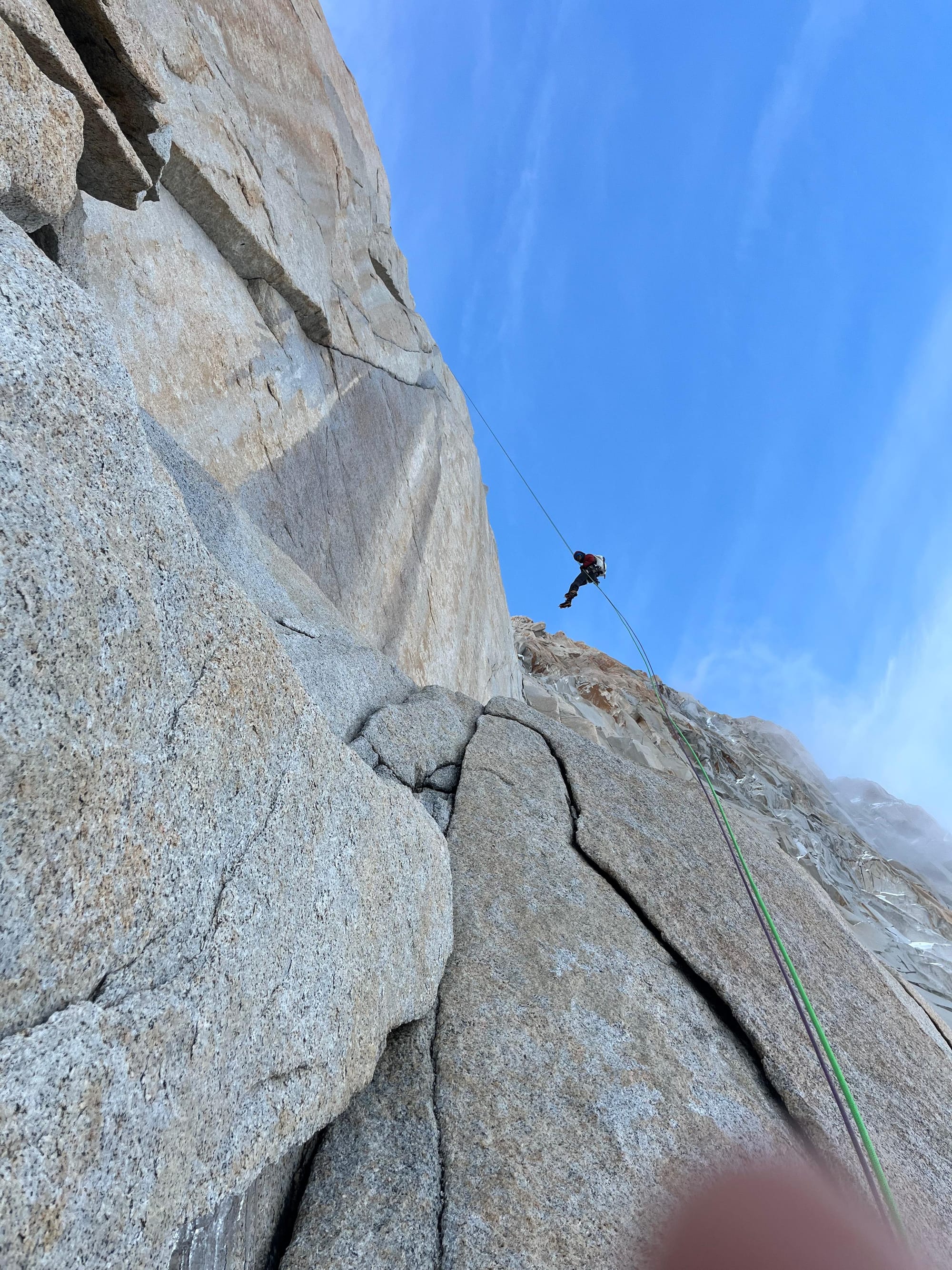
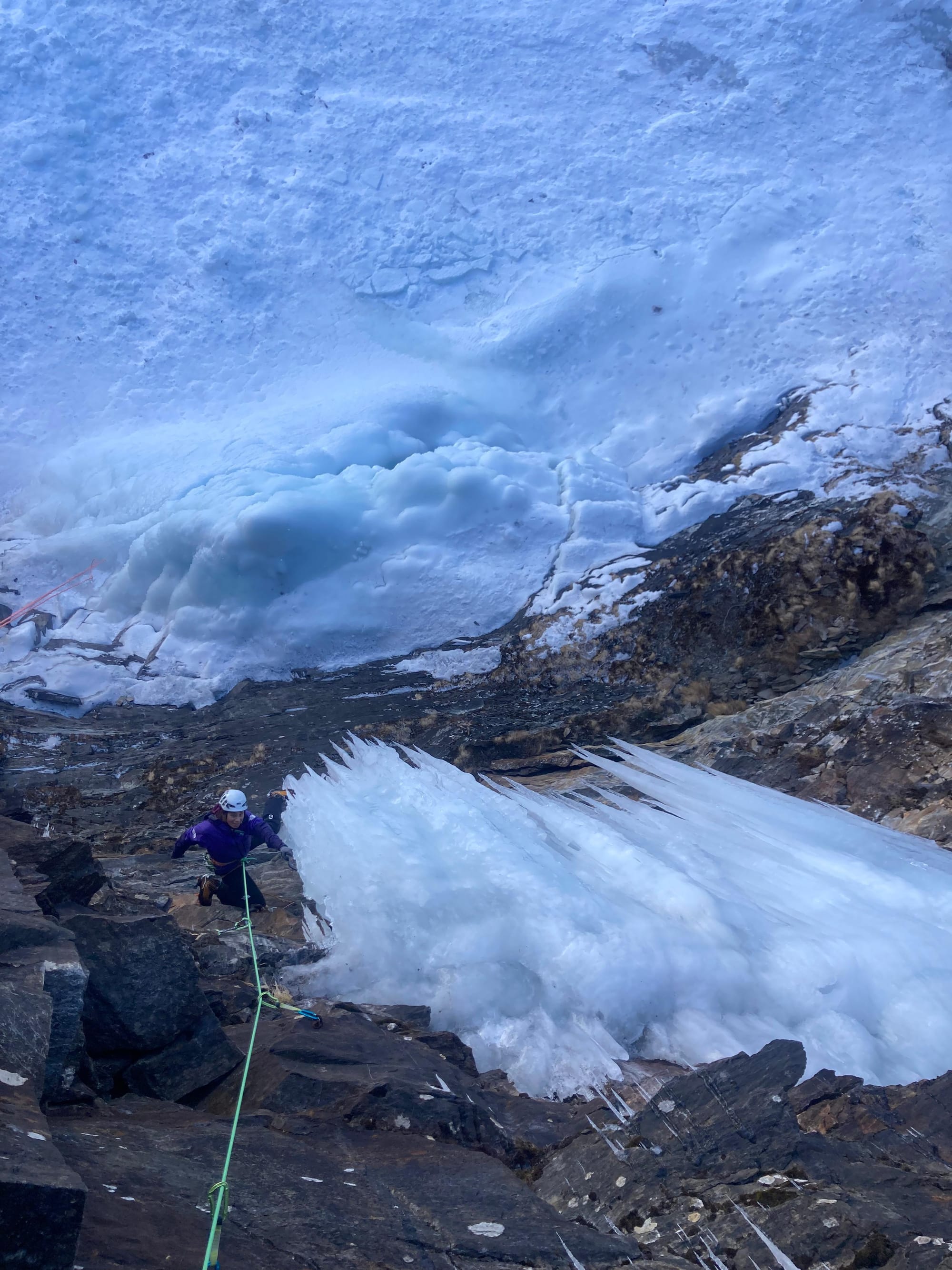
CREDIT: Sam Hennessey
How to Apply
Interested in applying? The program is open to all U.S. citizens or permanent residents who are AAC members and age 18 or older, but move fast—applications are due a little over a week from now: May 15 at 11:59 PM MST.
The AAC recommends that applicants have a minimum of five years of outdoor climbing experience, as well as comfort in a winter environment, proficiency with skis, and the ability to ascend and/or descend 9,000 vertical feet in a day. Experience leading at least 5.9 rock and WI3 ice is required, and applicants should also be comfortable on grade III multipitch routes.
For more information, a list of Frequently Asked Questions, and to apply for the program, click the button below.


