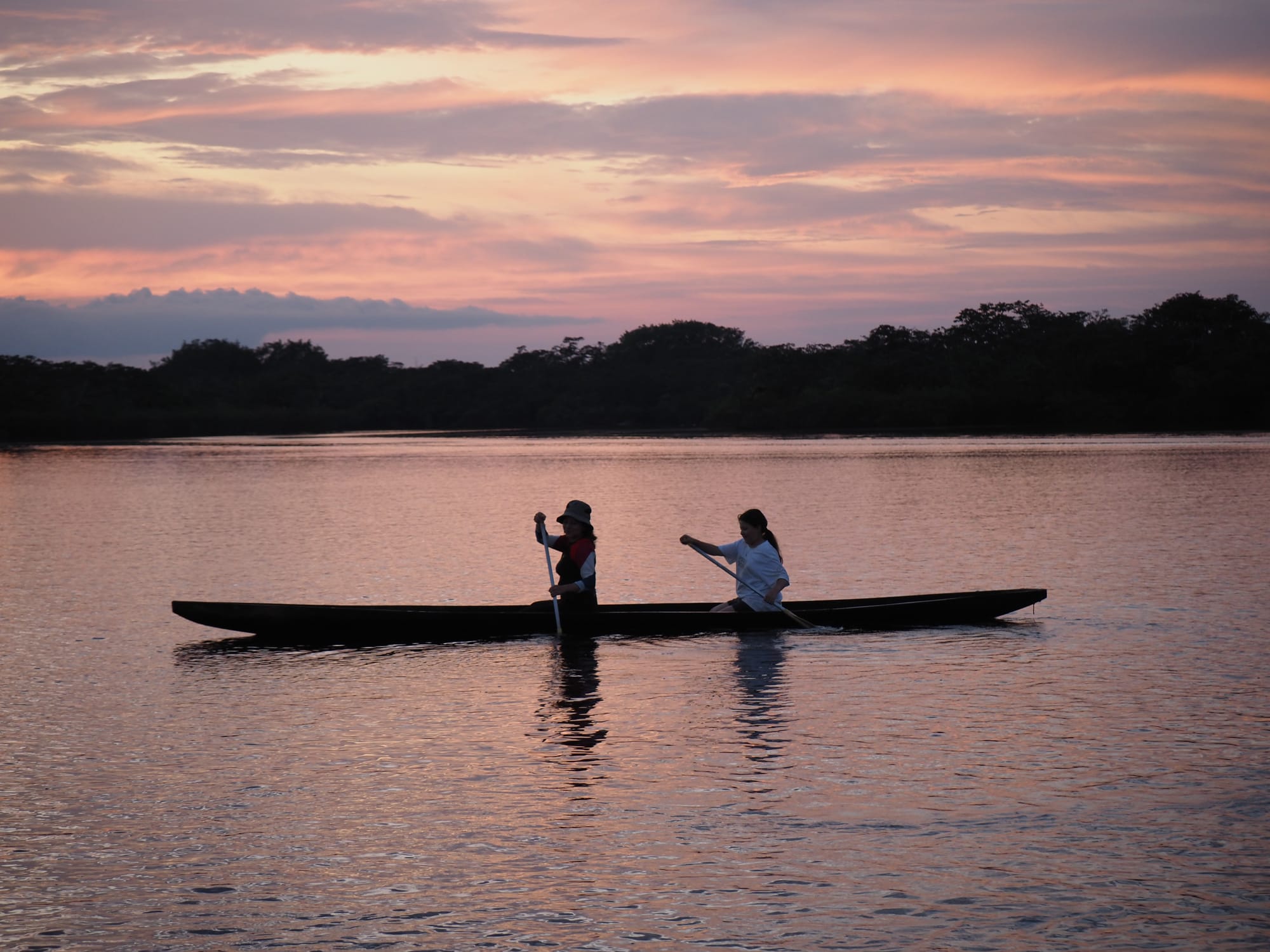
The sunset was melting into the lagoon, turning its glassy surface into a fiery blend of crimson and tangerine. I’d just jumped off the bow of the canoe into the lukewarm water and was floating on my back, bug-bitten belly raised to the sky, when our group’s guide, Evi, casually mentioned that there were caimans in the lagoon.
“Wha…?” I asked, choking out the last part of my query as I gargled lake water.
“Oh yes, yes,” Evi said, shaking out the curly black hair that hung to his shoulders and re-tying it into a tight bun. “Big caimans. Very big. But not here. Over there, near the banks.” He pointed to the shoreline, a few hundred feet away. “They don’t come into the deep water. It’s safe. Safe this close to the center of the lagoon.”
“Ah,” I said. “That’s good!” Trying to look as casual as possible, I doggy-paddled back to the canoe, then slithered over the gunwales and back inside.
Twenty minutes later, gunning the craft downriver to our lodge, we came across a black caiman, half-submerged near the muddy bank. The scaly creature was a behemoth, at least fourteen feet long. Only its eyes, obsidian marbles, stuck out above the water.
Evi laughed. “That’s a big one,” he said, smiling.
CREDIT: Responsible Travel
I was in the middle of a jungle adventure in Ecuador with one of our Outdoor Voyage outfitters, Responsible Travel. The trip entailed spending several days at the Nicky Lodge, a cluster of traditional wooden cabins tucked deep into one of the most biodiverse ecosystems on the planet, Cuyabeno Reserve.
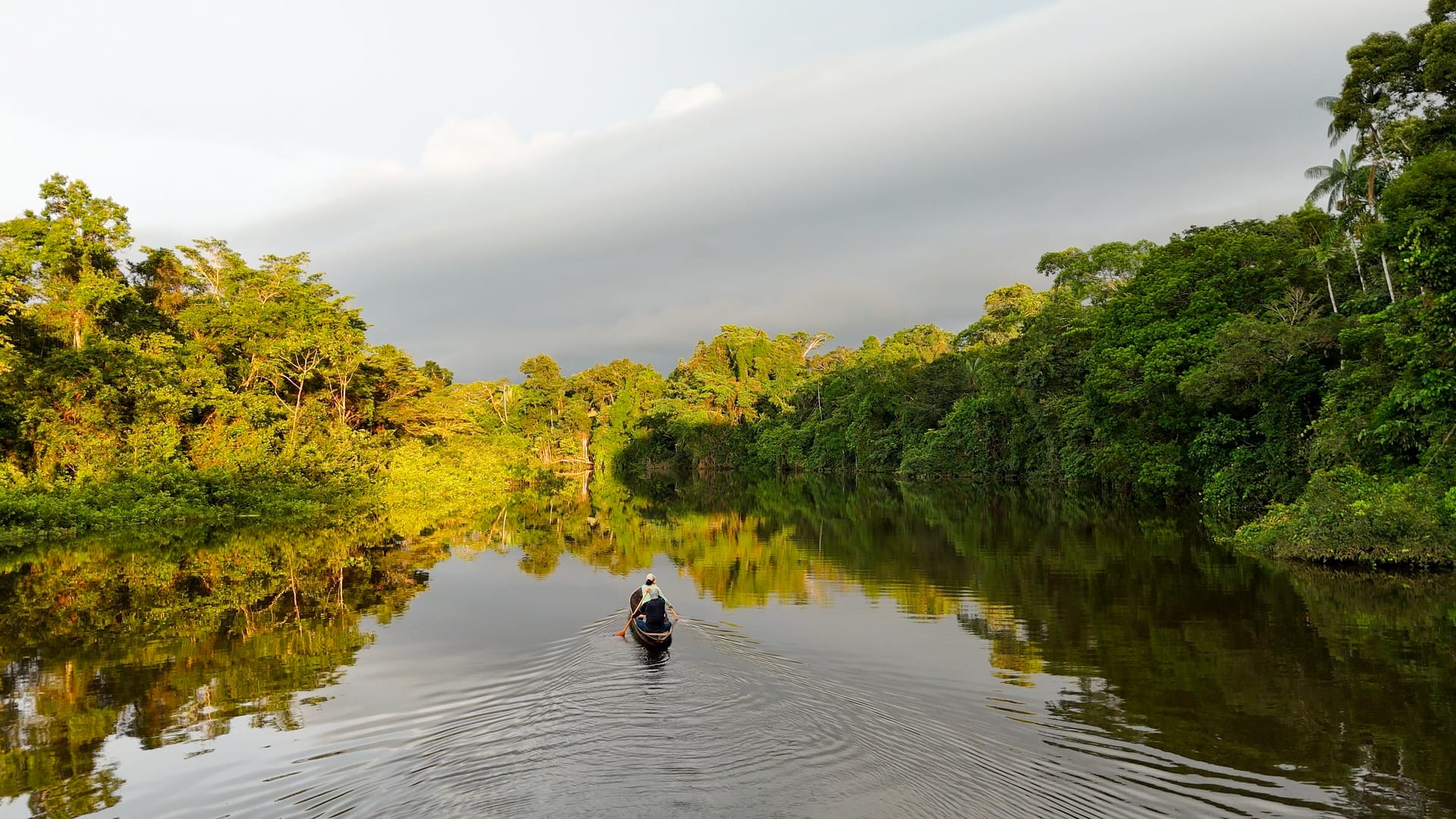
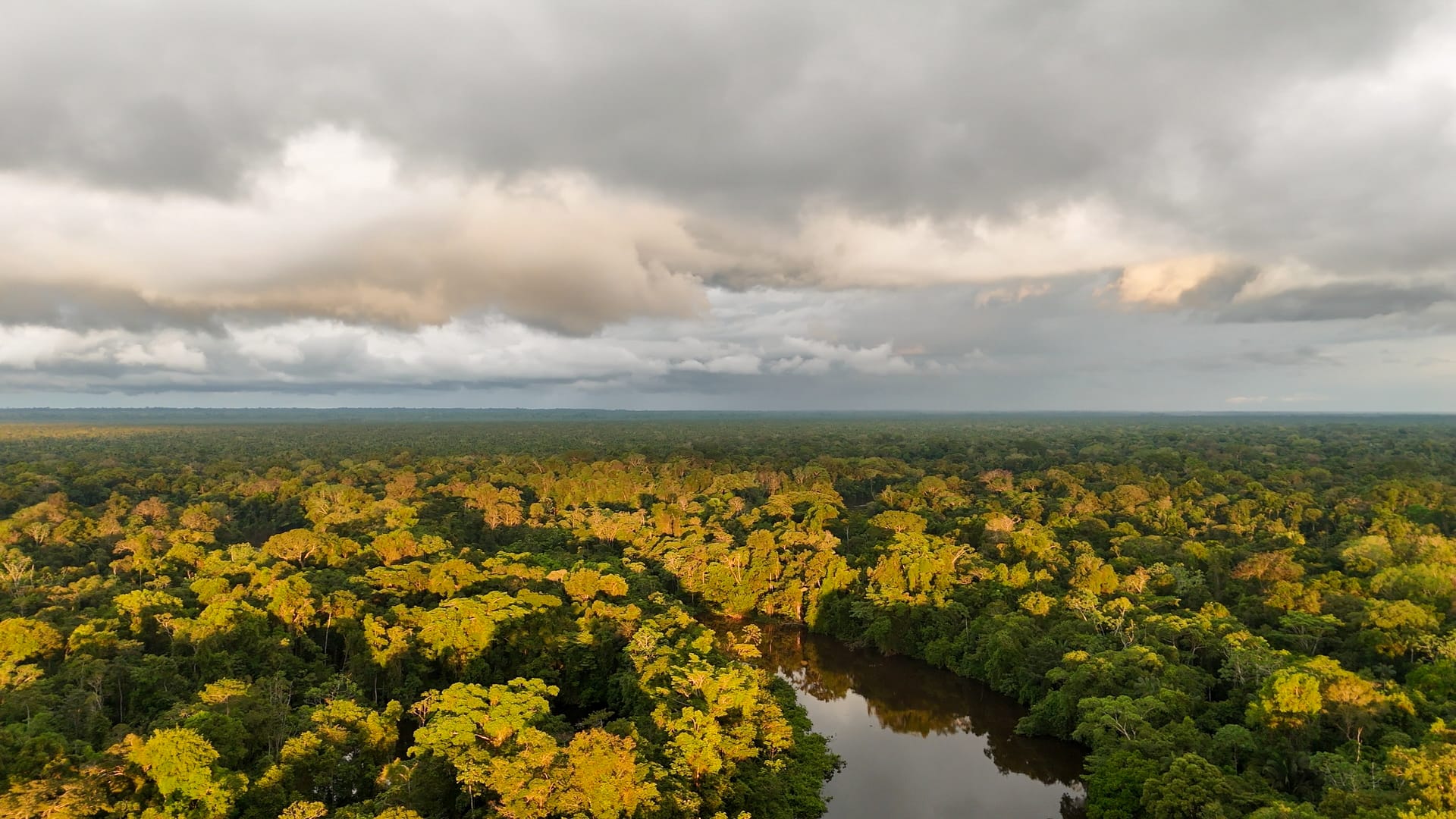
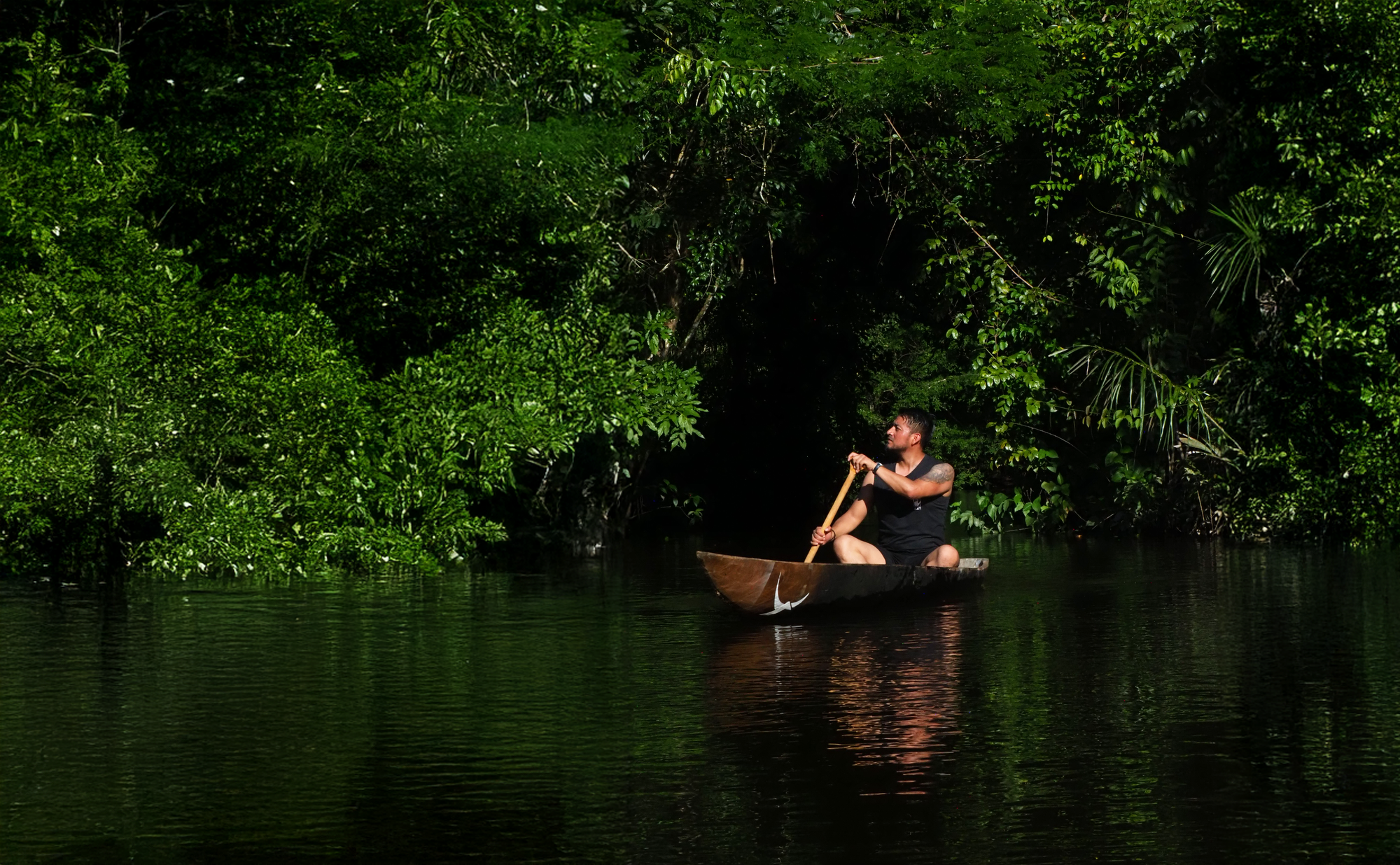
Reaching the lodge, in and of itself, had been an odyssey. After an overnight bus ride from Quito, I’d thrown my backpack into a motorized dugout canoe and begun a journey down the Cuyabeno–a 100-mile river beginning in Ecuador's high Andes which eventually flows into tributaries of the Amazon.
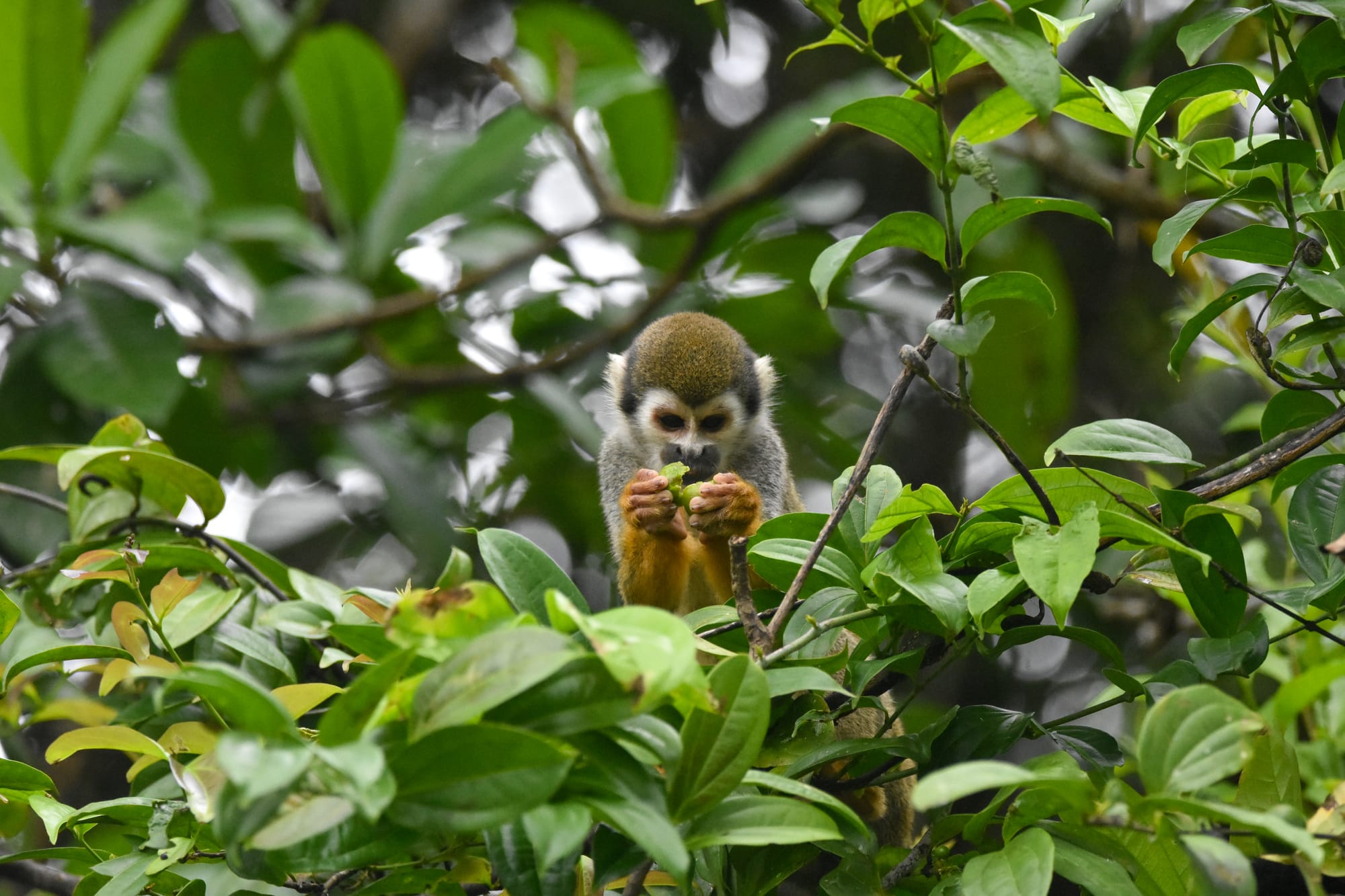
As our canoe slid down the river, the sky narrowed into a corridor of towering trees and lianas. We followed this dense, winding passage east and then south, deeper and deeper into the jungle, chased by the chaotic chatter of squirrel monkeys.
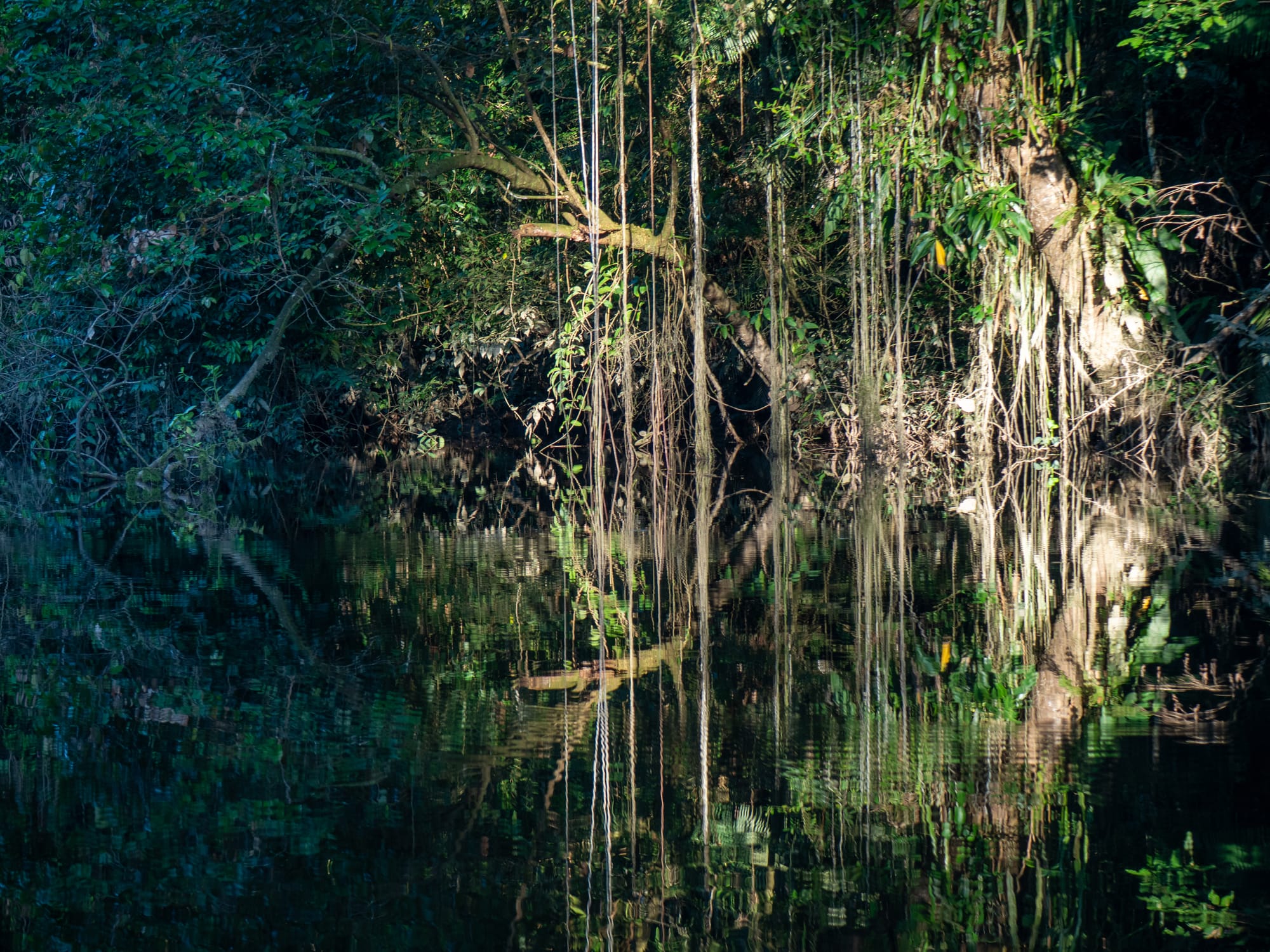
The air changed as we pushed further into the reserve. It became a thick, scented blanket of damp earth and blooming bromeliads. Every bend in the river revealed a new layer of the jungle, where ancient trees stood deep in the blackwater, their gnarled roots creating a submerged maze that looked like something out of a Tolkien novel. There was no such thing as empty space. Every square inch of earth and canopy was a battleground for light and life. After more than two hours on the river, we arrived at the lodge, a cluster of thatch-roofed buildings set around a clearing deep in the jungle.
They say the Amazon rainforest is the lungs of Earth, and here, that metaphor felt apt. In one sense, Nicky Lodge felt like the remote jungle hideaway it was, but in another it was a privileged vantage point inside of a living, breathing machine. There are a handful of other river lodges in the Cuyabeno Reserve, all strung out along the eponymous river, but Nicky is one of the furthest downriver, sitting deeper in the reserve, so its surroundings feel wilder, more raw.
The cabins, built from locally-sourced timber and thatch to blend into the forest, offered both rustic comfort and immersive proximity. At night, the walls dissolved, as the drone of cicadas and frogs hummed a steady, vibrating lullaby. The air would cool just enough to be comfortable, but the humidity remained, carrying the damp, heavy musk of the river. The heat here wasn’t something you felt, it was something you inhabited, a wet, living atmosphere.
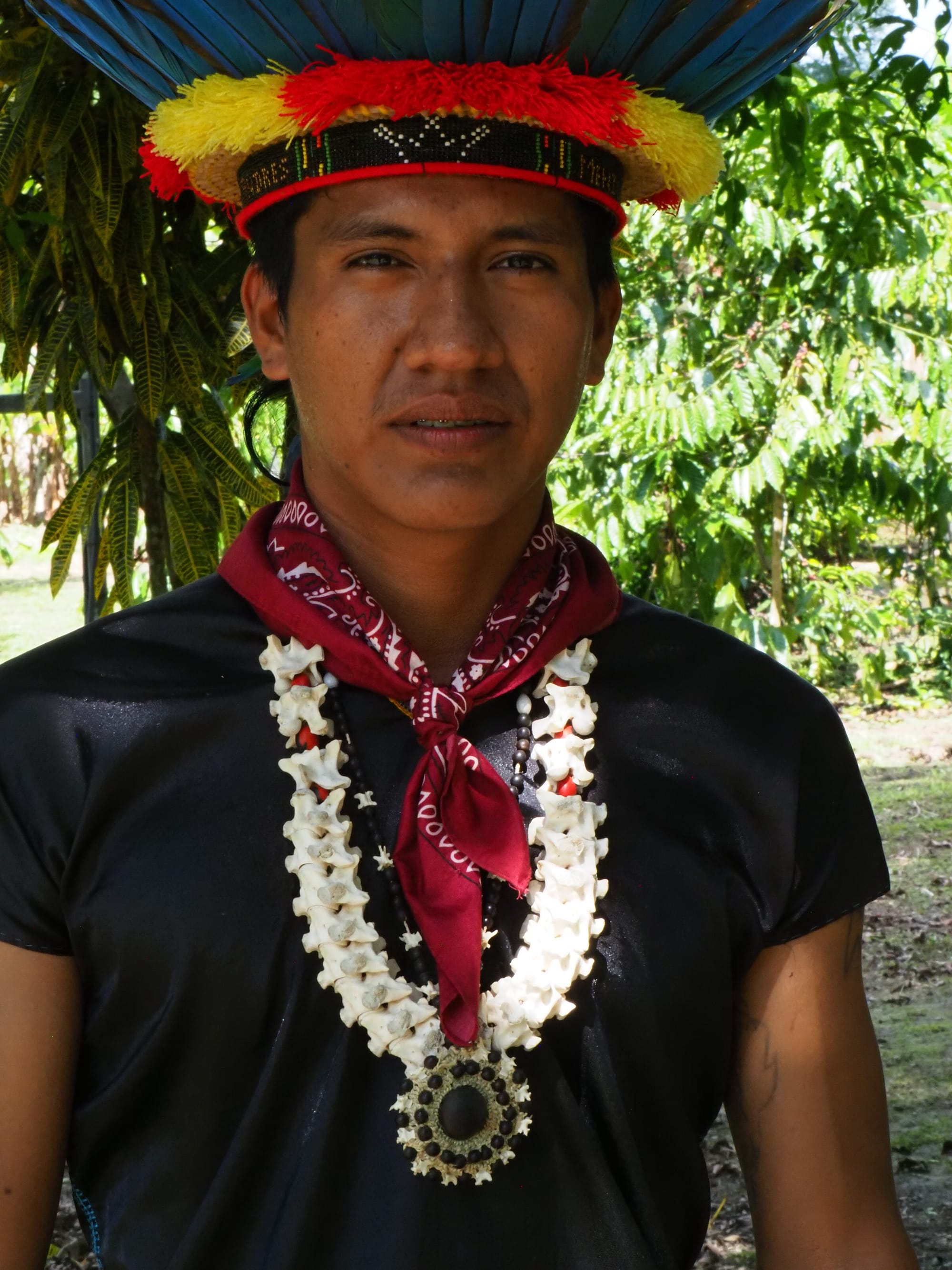
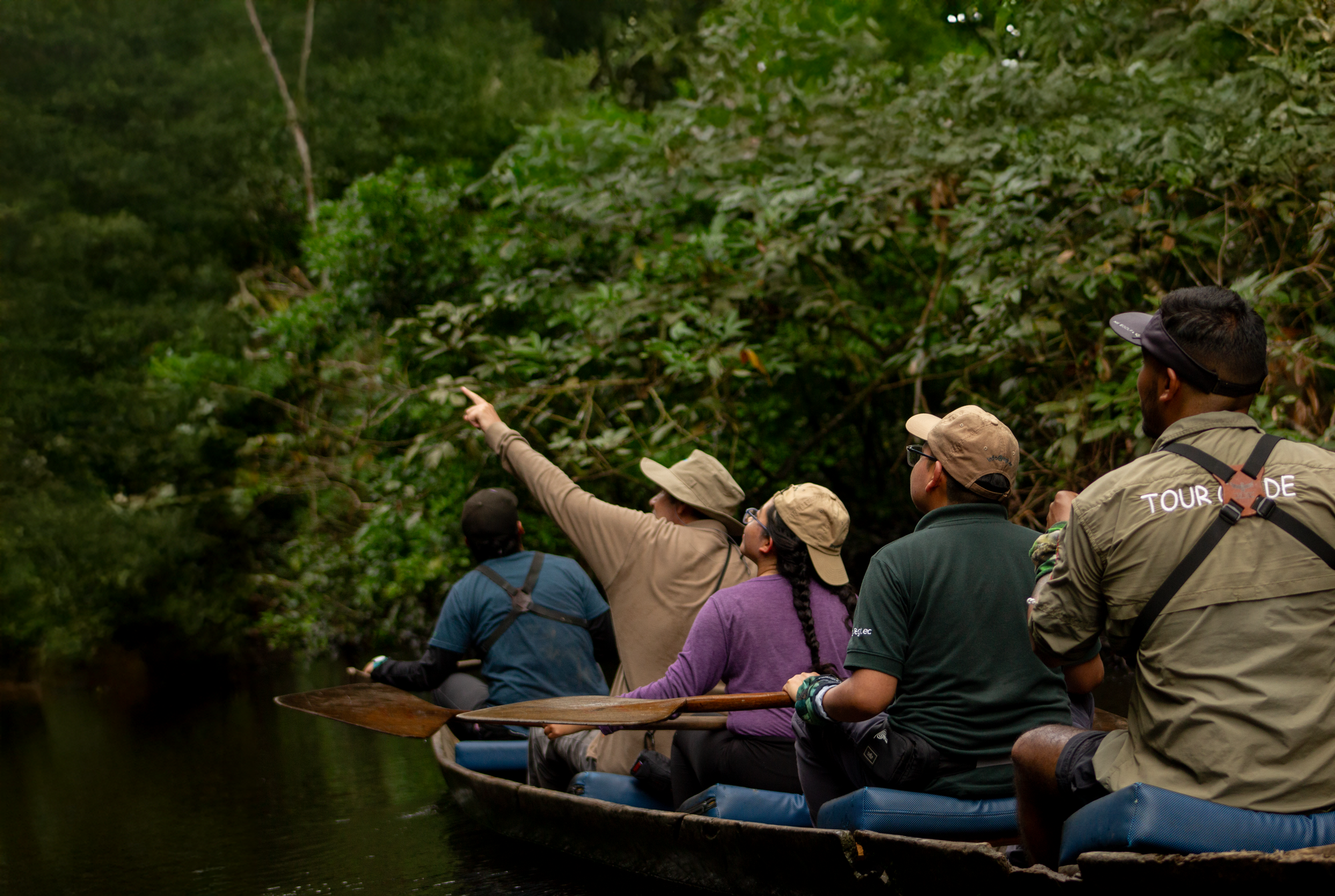
CREDIT: Responsible Travel
Our days at the lodge were split between the quiet glide of the river and the dense, humid labyrinth of the jungle floor. There were only a few other tourists staying at the lodge, seven or eight, so each of us was able to ask questions of the guides, like Evi, whenever we wished. It felt like a private tour.
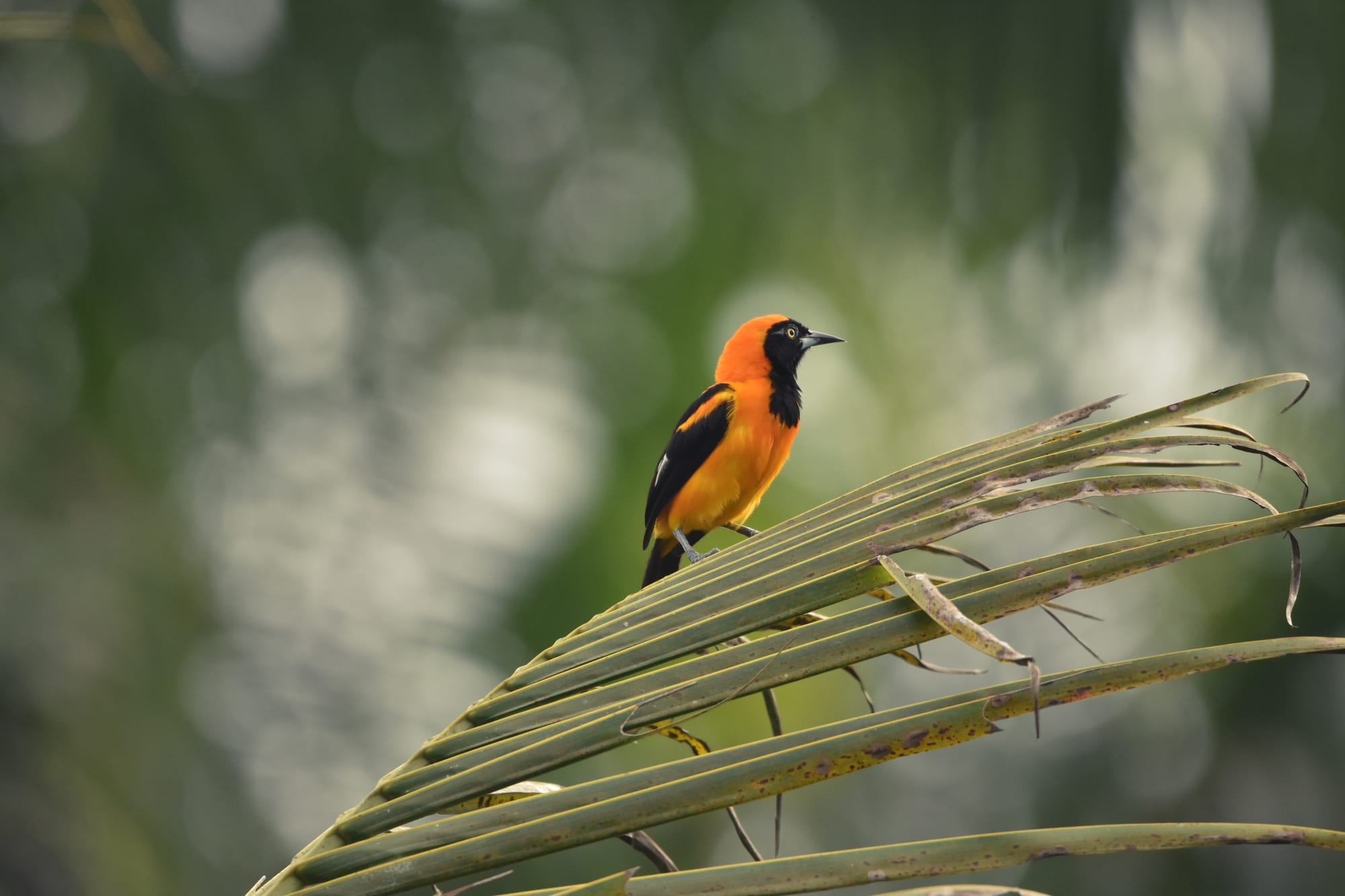
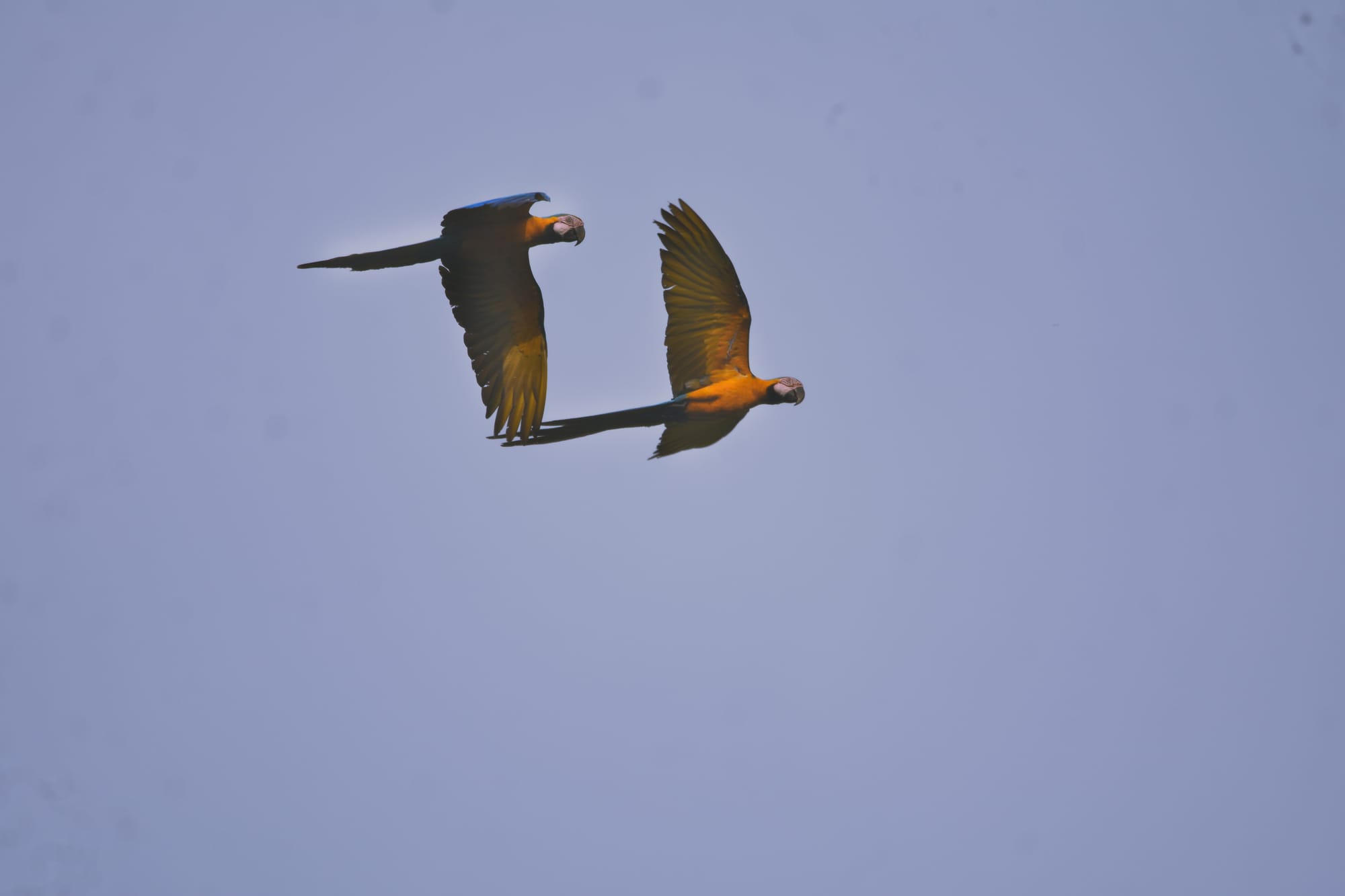
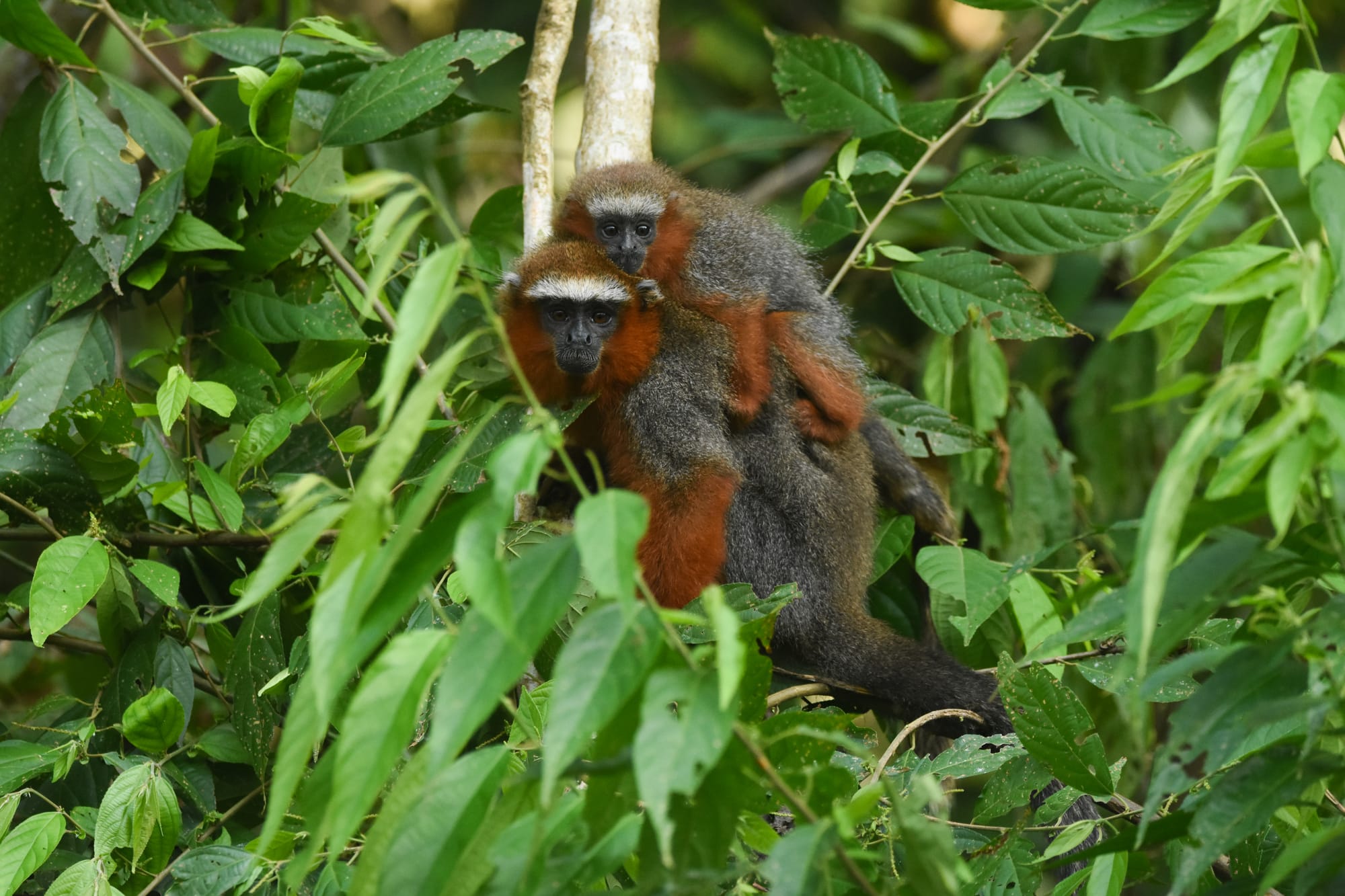
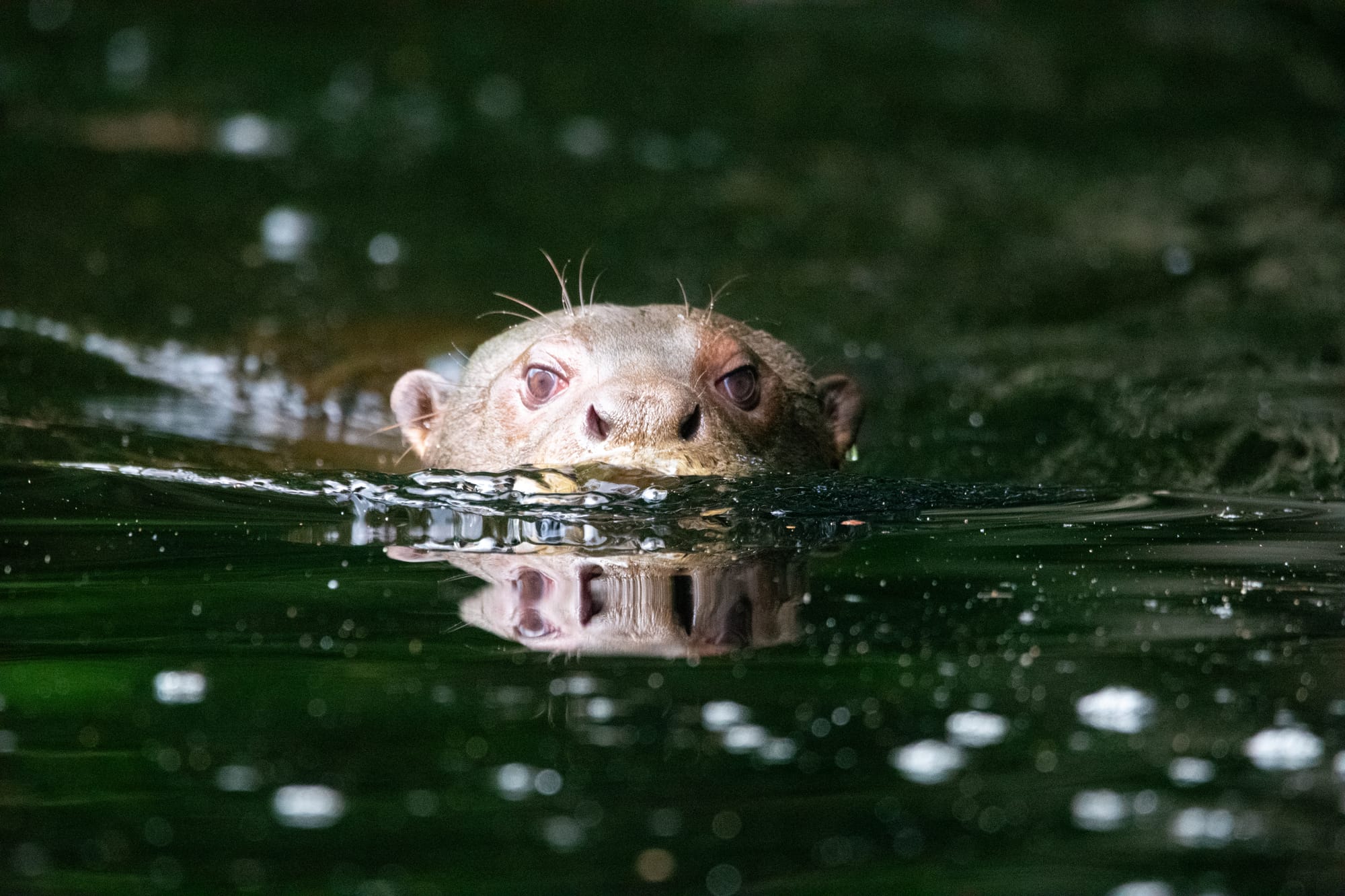
On the water, Evi’s eyes, which seemed to operate on a different frequency than mine, spotted three-toed sloths, saki monkeys, and scarlet macaws hidden in the canopy overhead, and pink river dolphins and giant otters in the water below.
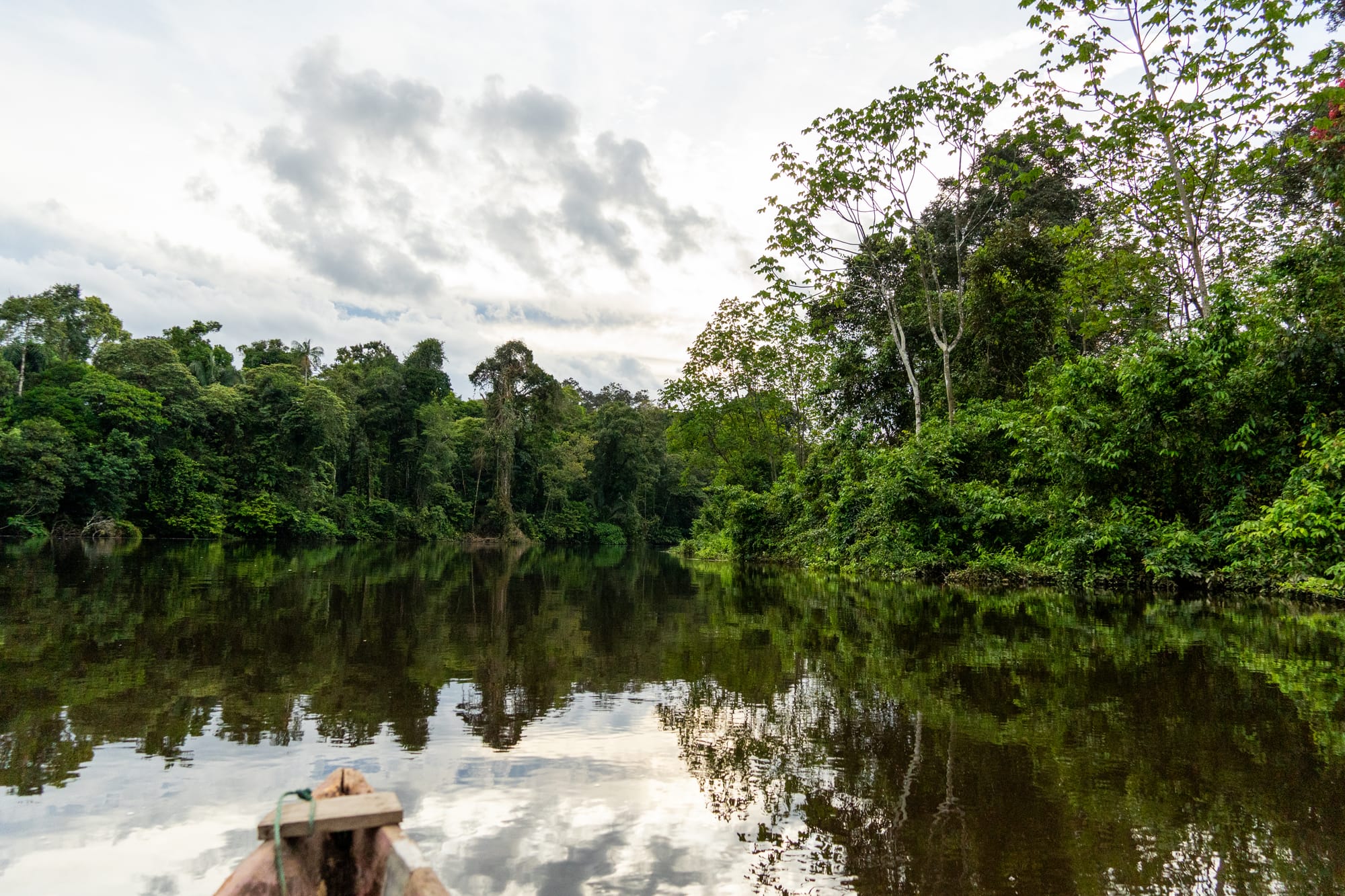
Toucans floated above as we navigated the tannin-rich lagoons that mirrored the sky so perfectly it felt like floating through an emerald dreamscape. The water was so dark and still it looked like polished marble, at times, in the wider lagoons, reflecting the giant ceiba trees with such clarity that the horizon just disappeared.
On foot, Evi was equally adept at pointing out the flora and fauna, but here, the jungle demanded our attention. Squishing through the thick mud, we learned to look before we grabbed. Every tree trunk was a high-rise city of leafcutter ants. Every leaf or branch held a surprise, from bird-eating spiders and jumping stick insects to the rare neon flash of a green tree frog. You’d stop to catch your breath, and realize you were staring directly at an insect, reptile, or amphibian so perfectly camouflaged against the foliage that it was practically a ghost.
Between the excursions, we gathered in the open-air dining hall to eat local, from scratch-made dishes that tasted like the landscape, fresh river fish, fried plantains, yucca, and exotic fruits whose names I can't recall but whose flavors I haven’t forgotten.
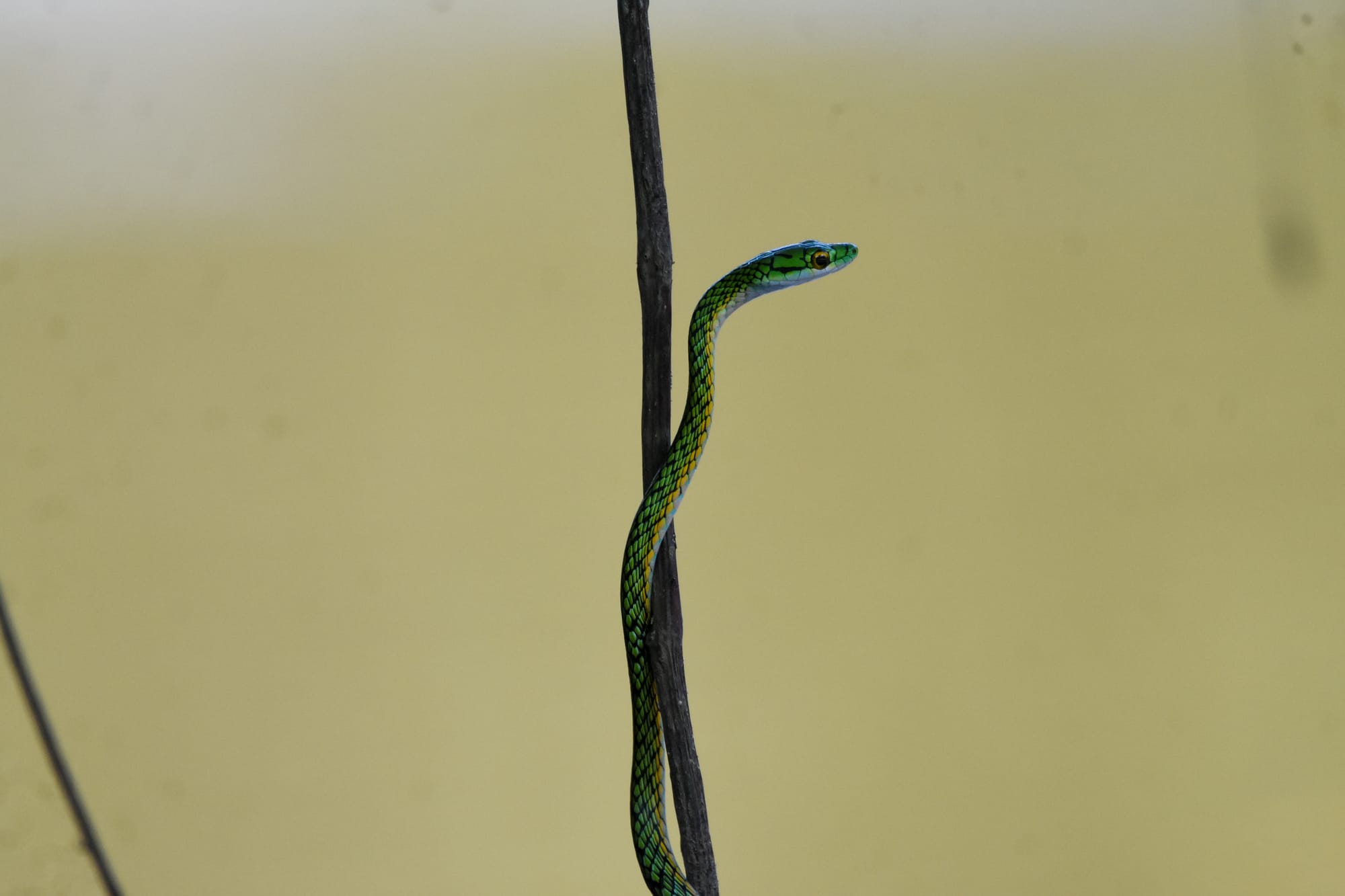
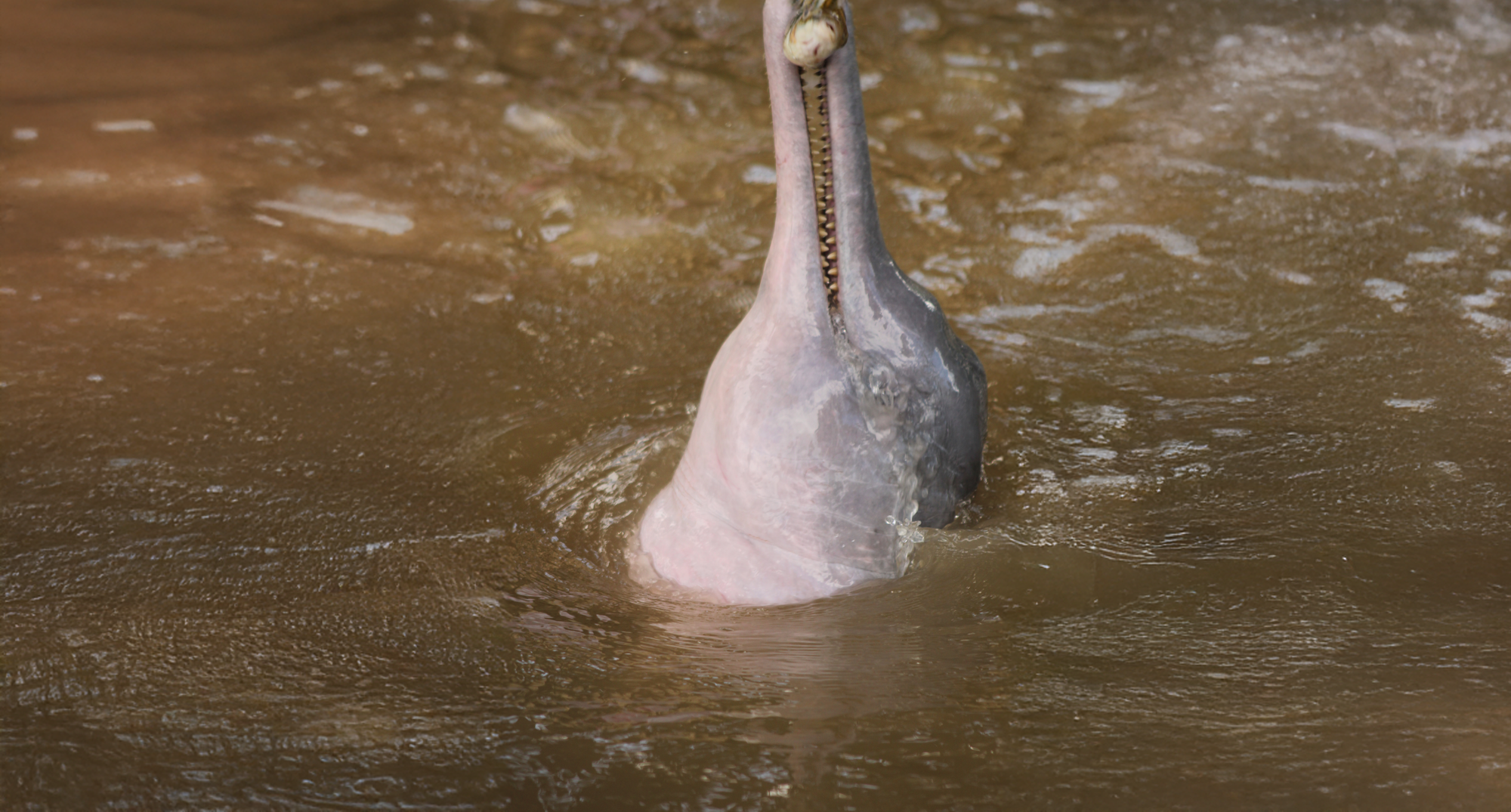
CREDIT: Responsible Travel
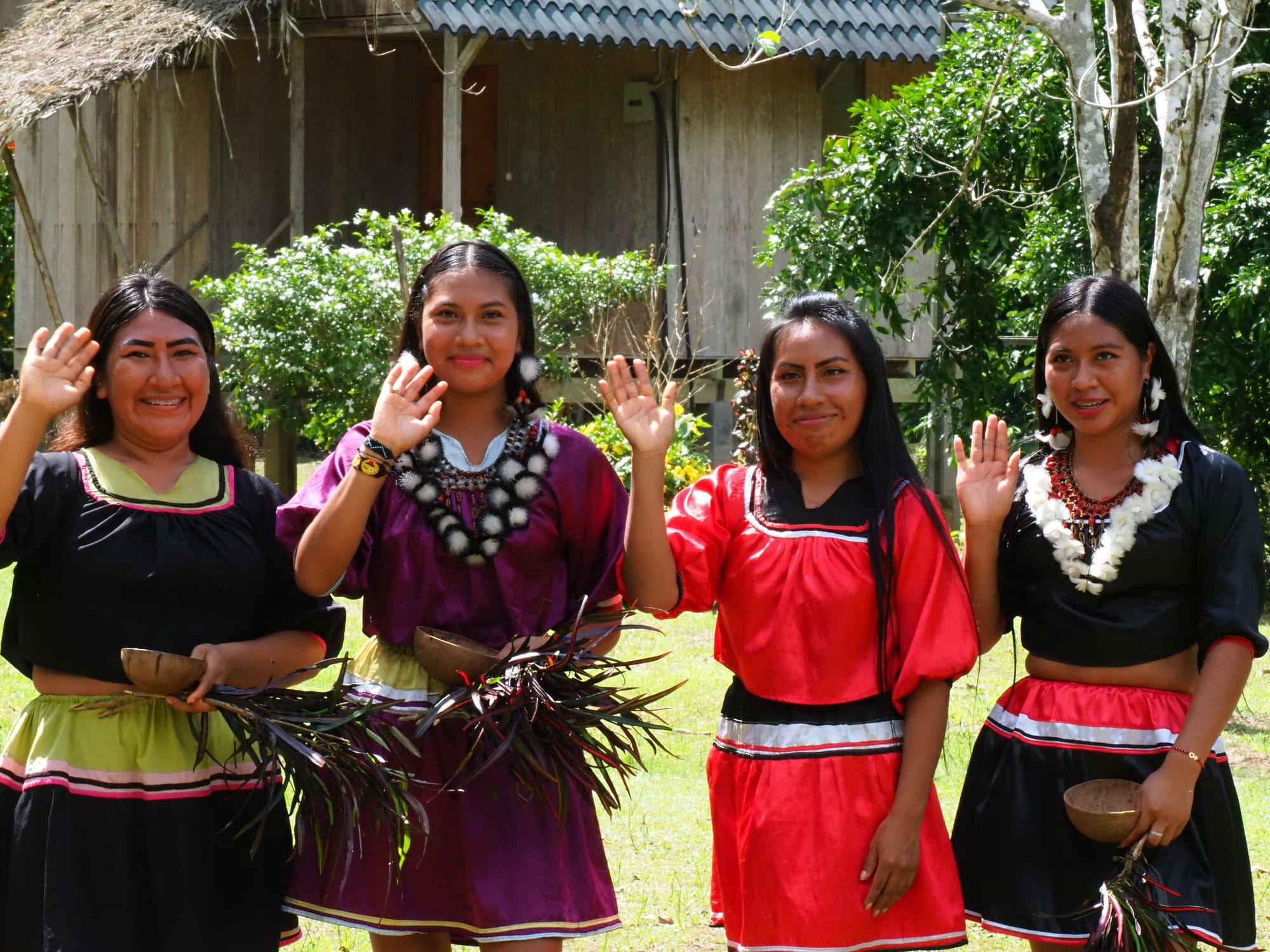
The best meal of the trip wasn’t at Nicky Lodge at all. One day, we paddled downriver to visit the village of a nearby indigenous tribe, the Siona. Here, after purchasing some tribal handicrafts, we were greeted by an elder, a machete wielding woman whose 105 years of life were etched into the deep lines of her face.
With this woman as a tutor, we learned the labor-intensive art of making cassava bread. We spent hours chopping the heavy, starch-filled roots, peeling back the tough skin, and grating the white flesh into a pulp. The next, and most critical, step was the squeezing, using a hand-woven mat to wring out every drop of toxic cyanide-laced liquid from the mash before the flour could be safely padded out into a tortilla-like shape and baked over an open flame.
Watching the elder work was a lesson in quiet efficiency. Her hands, weathered by a century of survival in the basin, moved with a mechanical grace as she handled the cassava. There was something deeply grounding about the rhythm of the work—the rhythmic scritch-scratch of the grater and the way the smoke from the open fire curled around the thatched rafters.
It was a contrast to the high-speed world I’d been working in as a freelance journalist for the past eight years. Here, a single meal required hours of shared labor, but that made the first bite of the warm, earthy flatbread taste infinitely better.
Once the bread was ready, we sat in the shade of a thatched roof and dined on grilled piranha served on a banana leaf, perfectly flaky and stuffed with local peppers. Beside it sat a bowl of giant wood-eating larvae—fat, buttery, and surprisingly rich—which we washed down with the earthy, fibrous cassava bread we’d spent the afternoon preparing.
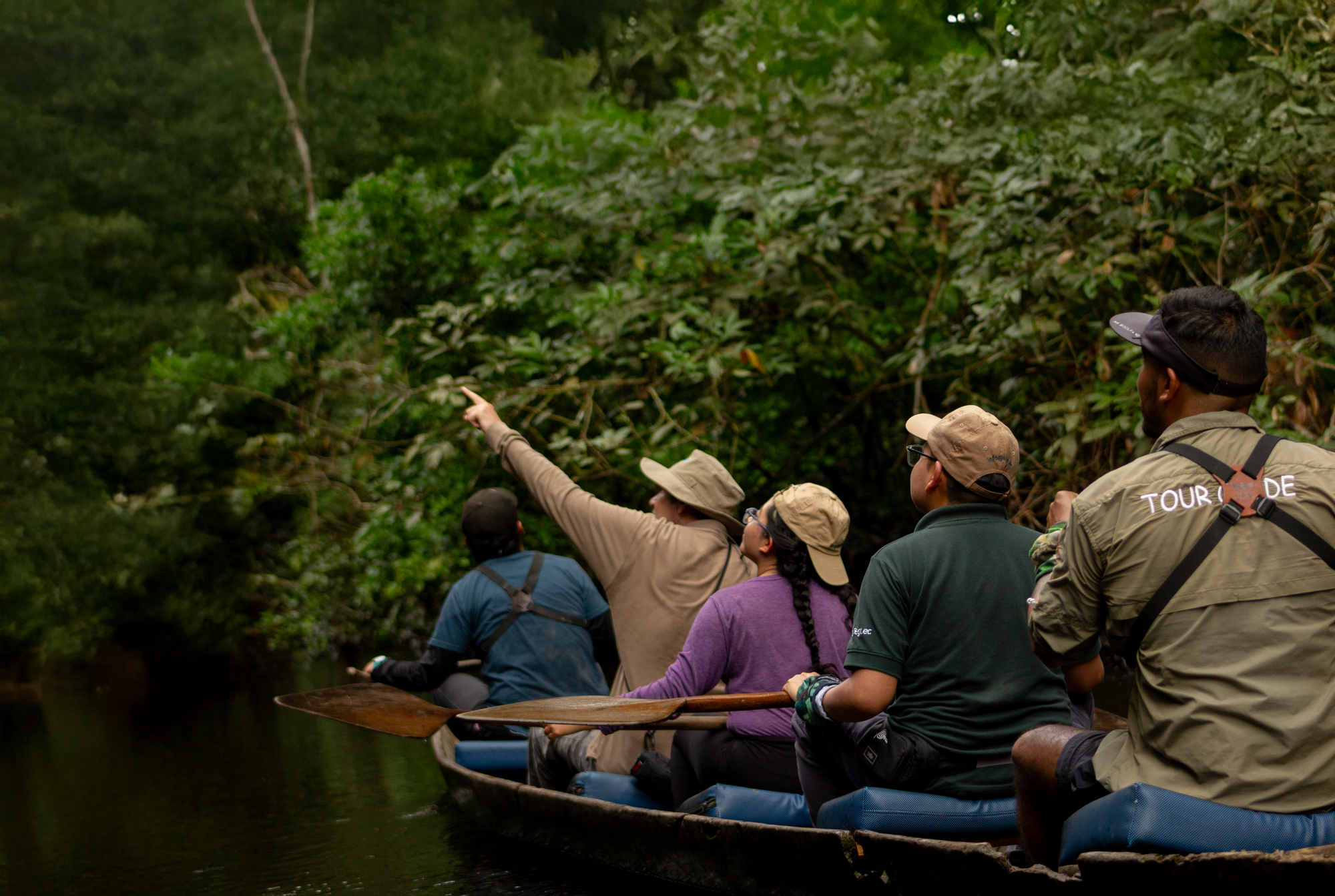
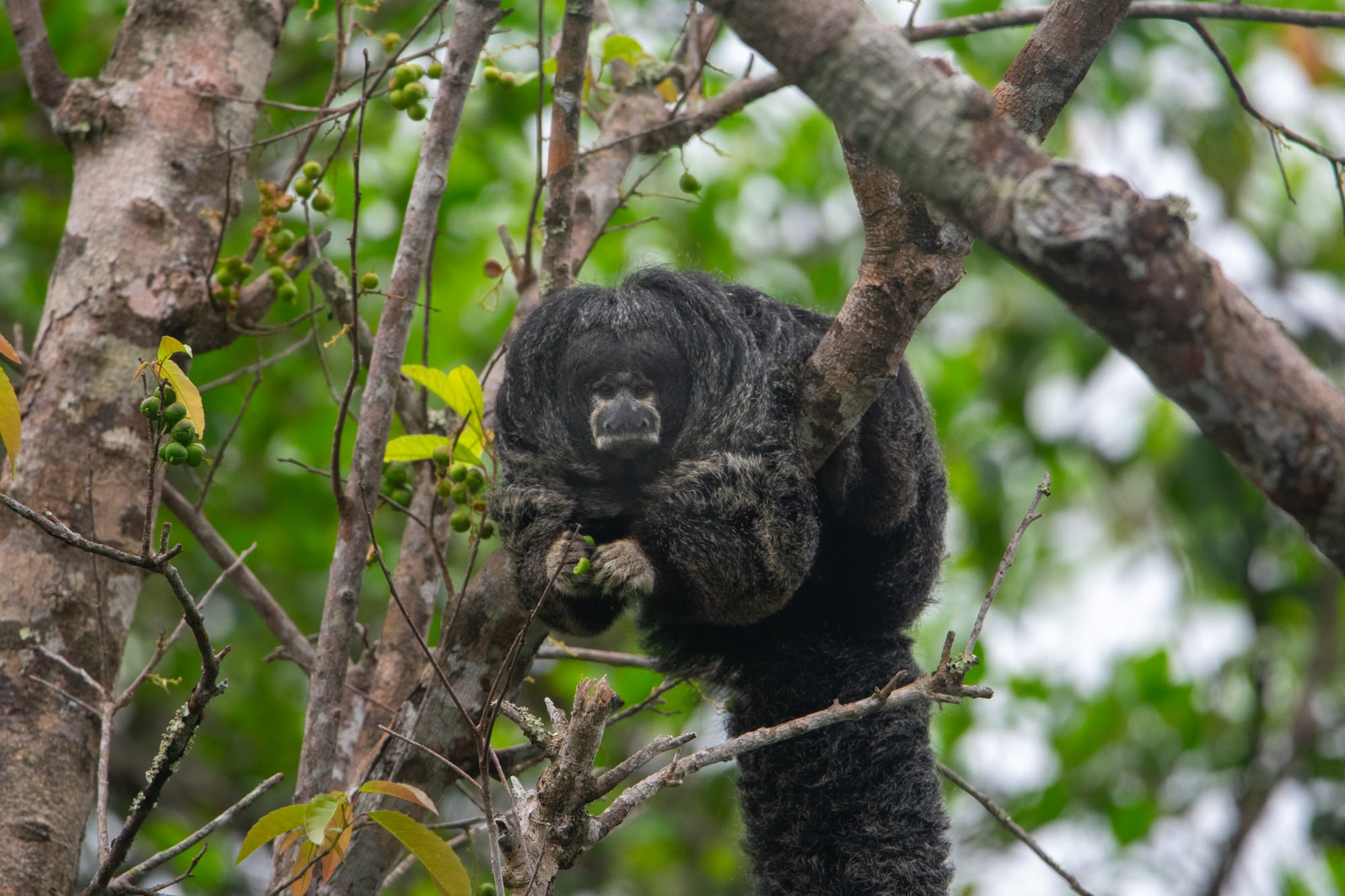
CREDIT: Responsible Travel
Perhaps the most profound part of the journey wasn't something I saw or tasted in the jungle, but something I lost: a cell signal. Nicky Lodge has a generator, and they turn on a Starlink to provide WiFi for brief periods once or twice per day, but for the most part there, is no Internet connection at the lodge.
I wasn't expecting to be particularly affected by this. I've spent plenty of time camping and hiking without cell signal. But staying at Nicky felt different, because I wasn't roughing it in a tent, and I wasn't alone. I was sharing the experience with other travelers I didn't know, and in many other ways it 'felt' like a luxury experience, just without signal. There is a specific kind of mental static that clears when you realize the world isn't asking anything of you via a screen. By my second day at the lodge, I didn’t care when the WiFi was on, and my phantom itch to check my phone had vanished.
Without the digital noise, my senses quickly recalibrated. My awareness of the physical world heightened. I started listening to the sudden, explosive splash of an otter on the shoreline, or the distant roar of a red howler monkey, with more than a passing interest.
On my final morning at Nicky, I found myself tracking the movement of a small beetle across a railing for nearly twenty minutes, completely unhurried, and utterly content to simply exist in the present moment. The sensation I felt in that moment was a rare treat, and one I haven't experienced since.