

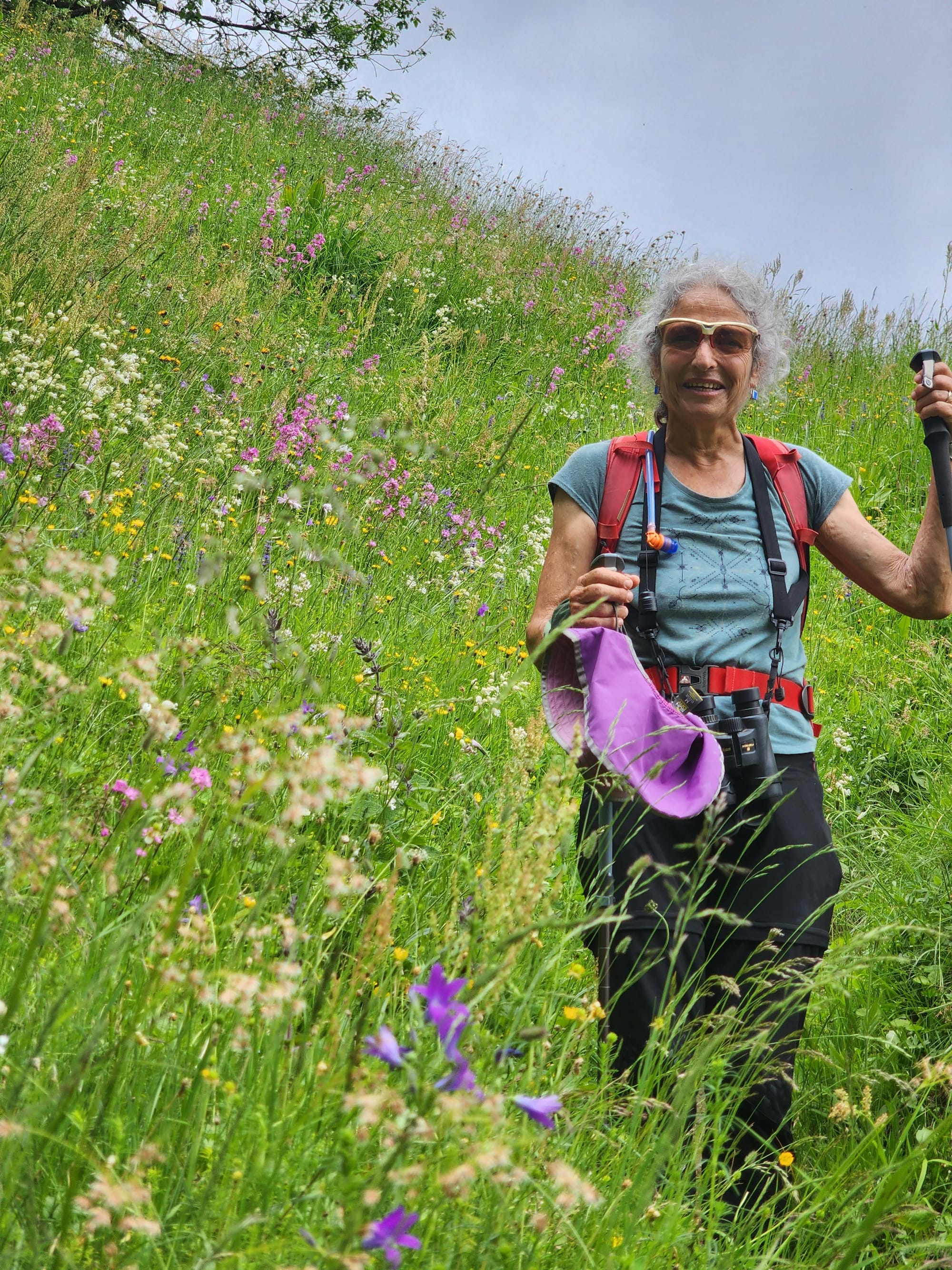
From wildflower meadows in May to golden beech forests in October and untracked powder in February, Europe’s wildest cross-border trail is no longer just a summer adventure.
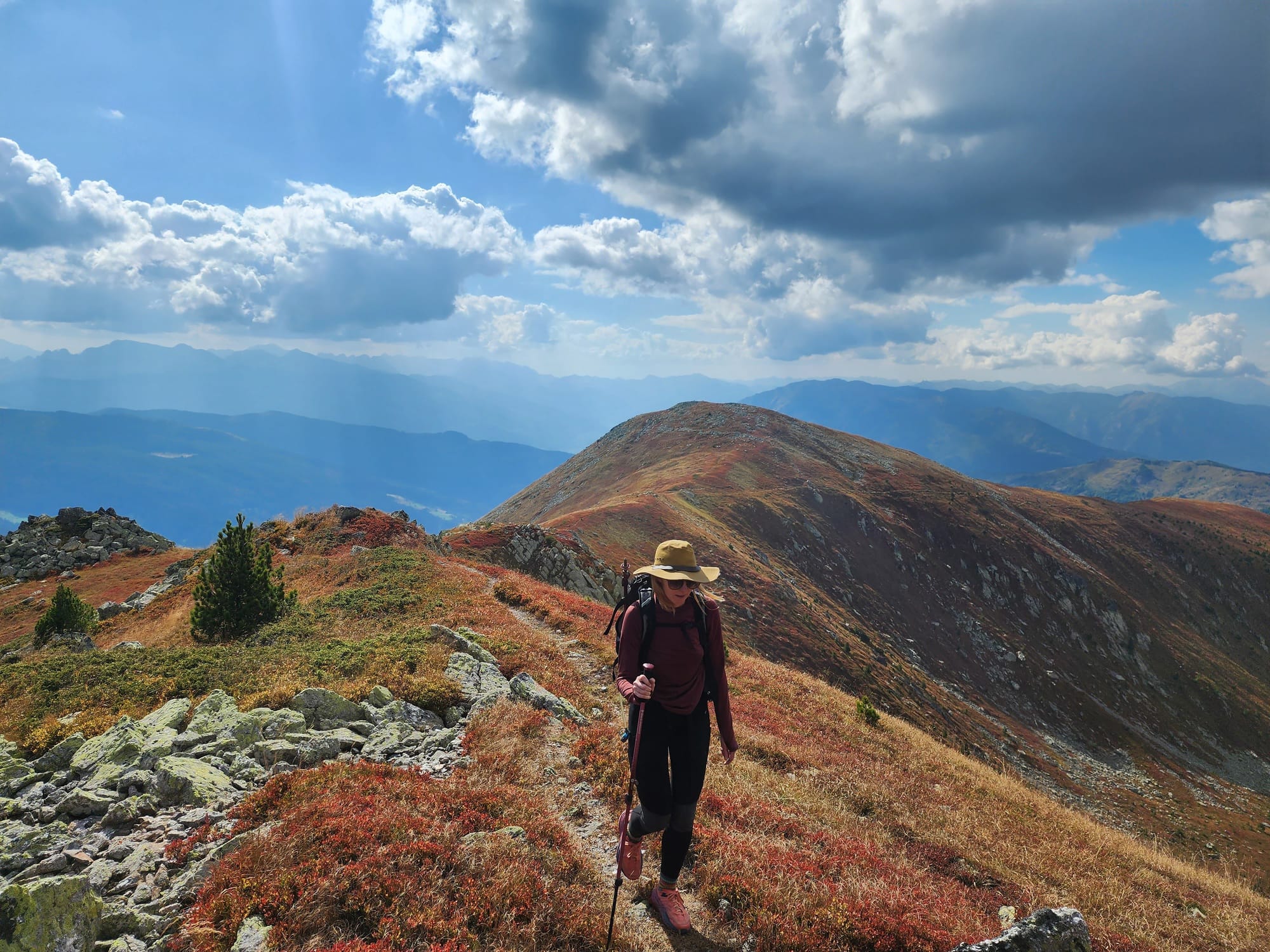
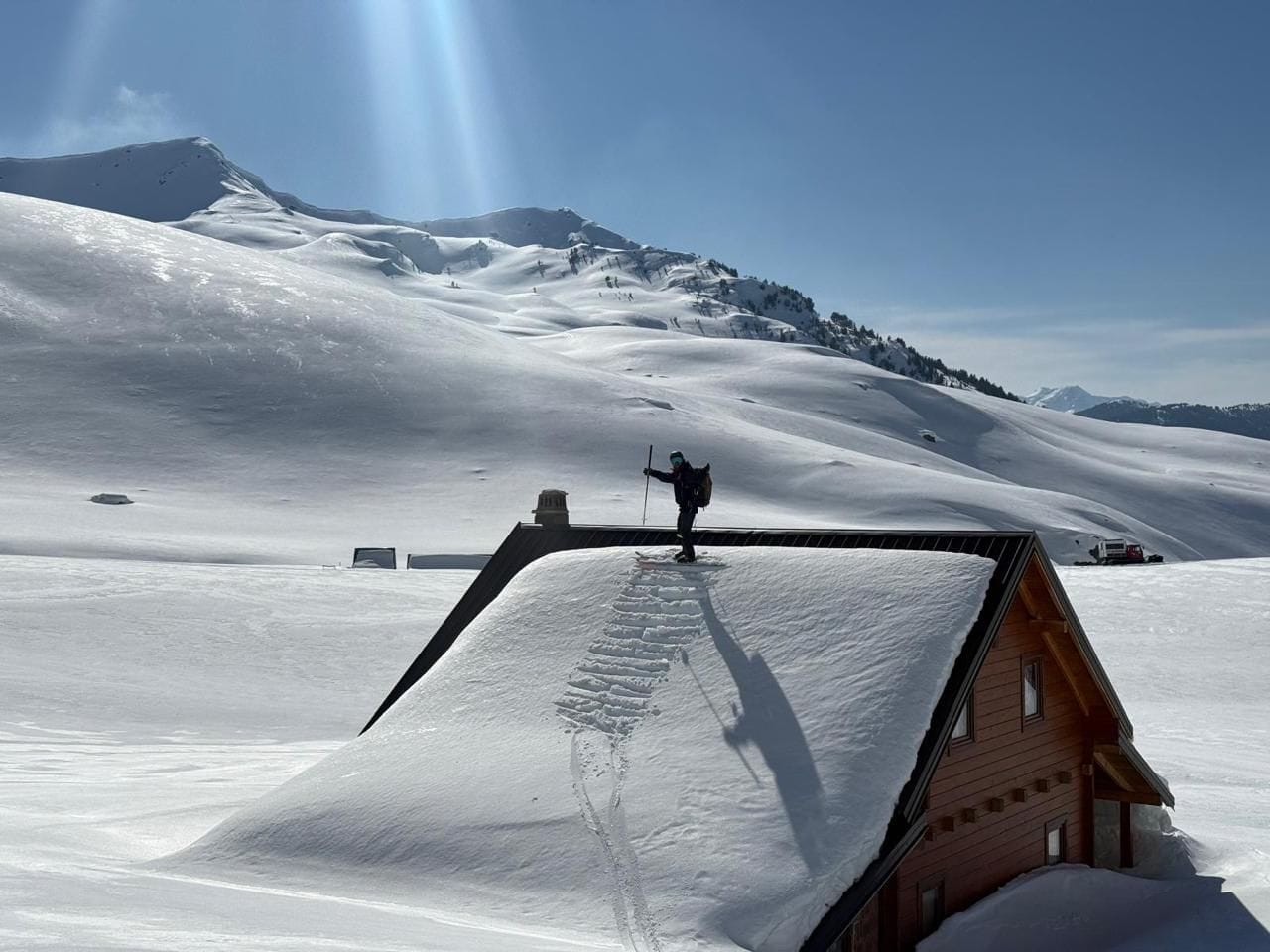
In October, the beech forests below the Accursed Mountains turn copper and gold. The shepherds have brought their flocks down from the high pastures, the guesthouse stoves are lit in the evening, and on the passes above you can walk for hours with only the wind for company. A few months later, the same passes are buried under deep snow, and the only tracks on them are left by ski tourers.
This is the Peaks of the Balkans, and it is worth visiting in more than one season.
All images courtesy of BNAdventure
Still a hidden gem
The New York Times was among the first major publications to write about the trail, in 2013. Since then, it has stayed largely off the radar of American and Australian hikers. European trekkers have been coming for years, but for most hikers from the US and Australia, the Accursed Mountains are still unknown. They remain one of the least crowded and most exotic long-distance hikes in Europe, with limestone peaks to rival the Dolomites and none of the crowds.
For hikers from further afield, that is the appeal: a trail in Europe that still feels like a discovery.
A trail across three borders
The Peaks of the Balkans was originally laid out as a 192-kilometre cross-border trek through Albania, Kosovo and Montenegro. Today the route usually walked is about 168 kilometres, after the section between Valbona and Çerem was moved off a tractor road and onto the dramatic Qafa e Persllopit pass. Much of it follows old Ottoman mule-trade paths that were closed by the borders of the 20th century. Today hikers cross those borders on foot, often eating breakfast in one country and dinner in another.
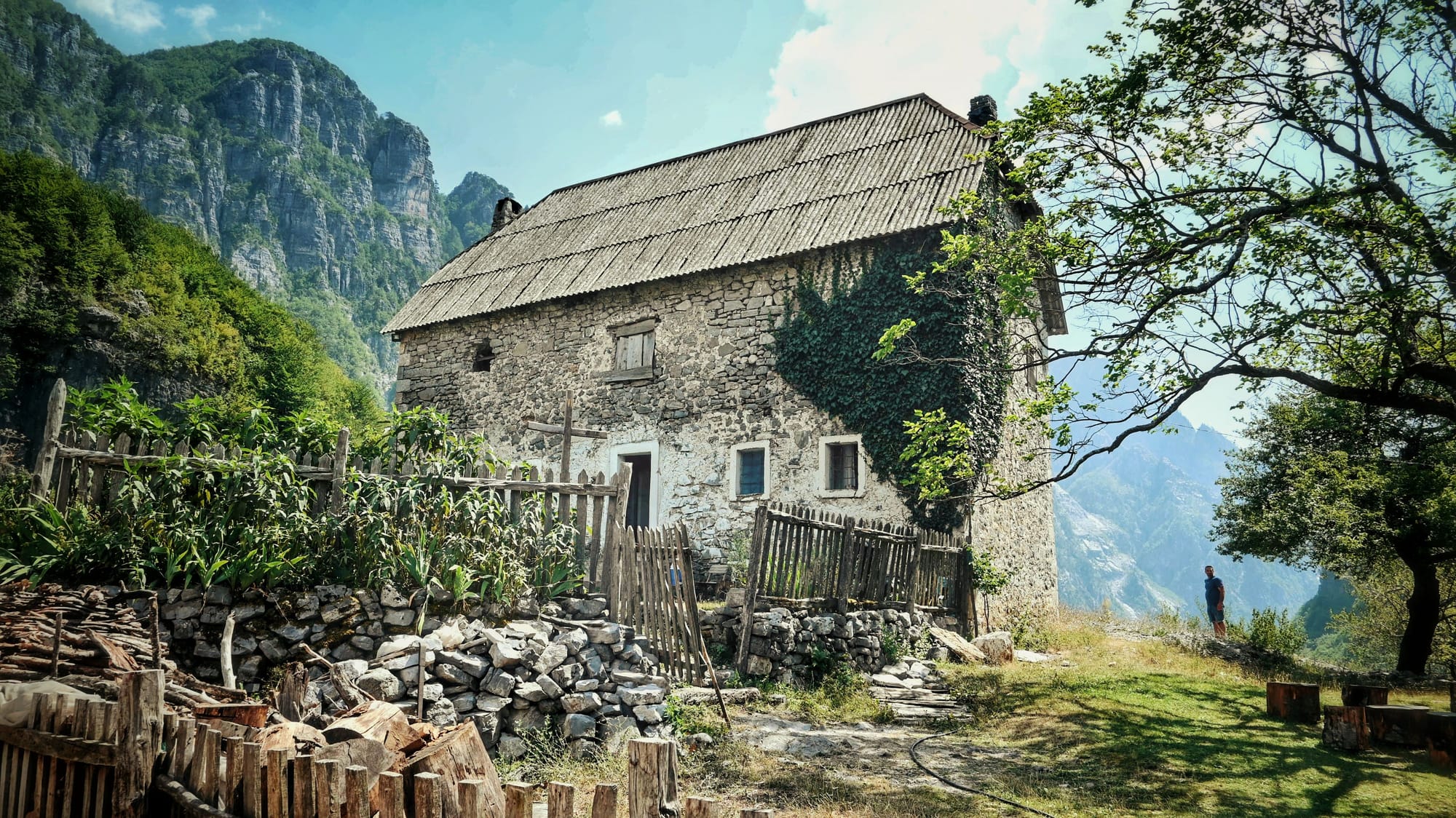
The landscape changes constantly: limestone towers, glacial lakes, high pastures full of wildflowers, and ancient beech forests. At Three-Border Peak (Trekufiri), you can stand at the point where Albania, Kosovo and Montenegro meet. At night, hikers stay with farming and shepherd families and eat food grown on their land: homemade cheese, flija, fresh garden vegetables and ajvar made from slow-roasted peppers.
From May to October
The peak season runs from June to September, when the passes are clear of snow, the weather is at its most stable and every guesthouse along the route is open. May and October extend this window on either side, so the trail is walkable for much of the year.
May is spring in the high mountains. The valleys turn green, the rivers are full of snowmelt, and crocuses bloom beside the last snow patches. It suits strong hikers: some sections may still need snowshoes, and the days should be planned to stay under about eight hours in the mountains. A few of the highest guesthouses open later in the season, so May itineraries are often rearranged to make the most of conditions.
October may be the most beautiful month of all. All the guesthouses are still open, the light is clear, and the beech forests change colour across the valleys. Days are shorter and autumn rain is more likely, but the reward is quiet trails and the deep colours of autumn. As October ends, the mountains go quiet for the winter, and wildlife is left largely undisturbed until spring.
For hikers who are comfortable with long days and changing weather, May and October offer the Peaks of the Balkans with almost no one else on it.
Winter: the trail becomes ski touring terrain
When the snow arrives, the Peaks of the Balkans becomes ski touring terrain.
The best of it comes in February and March, which locals treat as a kind of spring: deep snow, long sunny days and excellent touring conditions. The range suits ski touring especially well. Its tree line is higher than in the Alps, and there are no lifts, pistes or resorts anywhere in it. On some sections, long, moderate slopes hold snow until early May.
The routes link remote, snow-covered valleys: the Three-Border Peak, Babino Polje, the remote Doberdol valley and passes deep in the Accursed Mountains, with options to reach Gjeravica, Kosovo’s highest summit at 2,656 metres. Guesthouses are opening their doors to winter visitors. Guest House Leonardi has winterized some rooms, and Guest House Gacaferri now specializes in winter tours.
This is serious, remote mountain terrain. Ski tourers need avalanche awareness and guides who know the snowpack.
Flexibility is the key
Travelling outside the peak season depends on local knowledge: which family will open a room, which pass is still snowed in, and how to rearrange a stage so the trip still works. Border permits also have to be arranged in every season. Whichever country you start in, you need a cross-border permit from the authorities in Montenegro, Albania or Kosovo.
Balkan Natural Adventure, a regional tour operator based in Peja in western Kosovo, is known for this flexibility. The company arranges trips well outside the standard calendar. That can mean a May route that avoids the last snowfields, an October trek timed around the weather, or a winter ski traverse linking the guesthouses that stay open. It has worked closely with local guesthouses to make winter tours possible, and it plans off-season itineraries around each group’s experience and fitness.
The Kosovo detour: steel cables and limestone
Hikers starting or finishing on the Kosovo side should plan a few extra days. Peja, the gateway town, sits at the mouth of the Rugova Canyon, a 22-kilometre limestone gorge that is becoming one of the most exciting places to climb in the Balkans.
The canyon has five via ferrata routes of varying difficulty, from beginner-friendly cables above the river to exposed lines high on the walls. A 680-metre zip line crosses the gorge. For climbers, the Rugova offers sport routes, multi-pitch lines and large rock towers that have never been climbed. During the Peja Rock Climbing Festival in September 2026, volunteers from across Europe bolted fifty new routes, and there are many more walls still waiting.
Via ferrata and climbing work well in the shoulder months too. If May snow closes a pass or October rain washes out a stage, the canyon is a good place to spend the day.
Twelve months of mountains
The Peaks of the Balkans became famous as a summer trail among European hikers. For everyone else, it is still waiting to be discovered: green and full of snowmelt in May, golden in October, white and silent in February. Choose your season, and the trail is open.
Guided and self-guided treks, off-season itineraries and winter ski touring in Kosovo, Albania and Montenegro: bnadventure.com


