

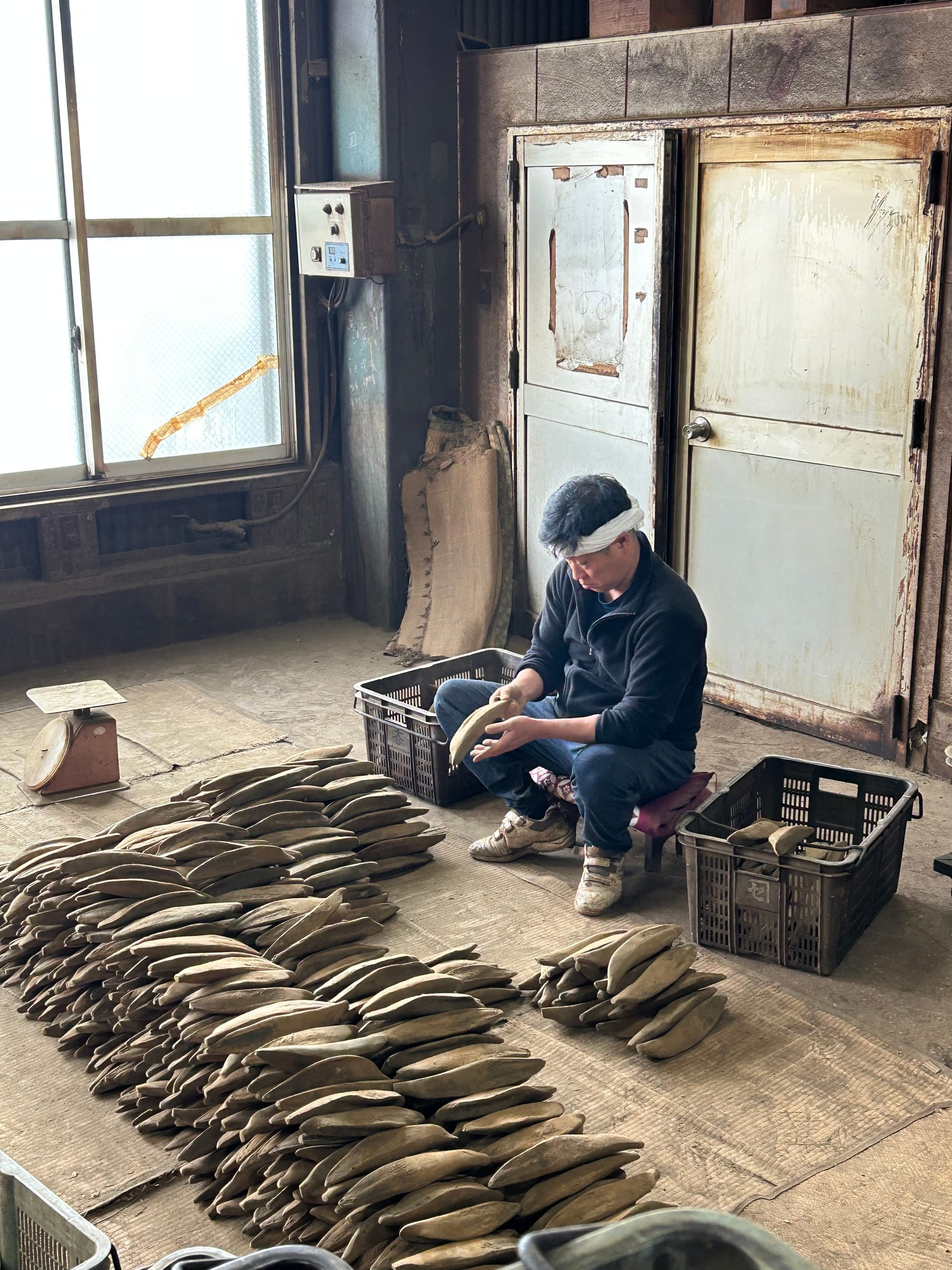
We were touring the top floor of a fish flake (katsuobushi) factory called Yamagawa Suisan, wandering amid rock-solid stacks of dried skipjack tuna, reminiscent of petrified wood. The roof was charred with smoke from the kilns. In a corner, surrounded by piles of hundreds of fish, a diminutive man in dirty Velcro sneakers and a sweatsuit, a white rag wrapped around his head, was sorting through the fish one-by-one, inspecting each hardened filet for perfection.
At first, I assumed this was simply a lowly factory worker, but our tour guide later explained this sweaty fellow, squatting on the ground and covered in grime, painstakingly going over every fish filet by hand, was actually the company’s CEO. He looked up at us and offered a half-smile, but appeared far more concerned with his work than hamming it up for some tourists.
Initially, I was shocked. Then, I wanted to buy as much katsuobushi as I could. (Luckily we later stepped outside to the harbor and were invited to grind our own.) This was a special experience, because katsuobushi produced through this process—which involves repeatedly applying mold and sun-drying smoked bonito over several months to mature it—and is considered the highest grade of katsuobushi, as is known as honkarebushi. Kagoshima accounts for 70% of Japan's honkarebushi production, so it’s the best place in Japan to find some.
It was this raw authenticity, at once deeply traditional and—in a world marred by performative fakery—remarkably unconventional, that marked my time in Japan.
I was in Japan with the Tokyo Convention & Visitors Bureau, and although we spent most of our time on the quiet Kyushu, the southernmost of Japan’s main islands, our first few days were in Tokyo.
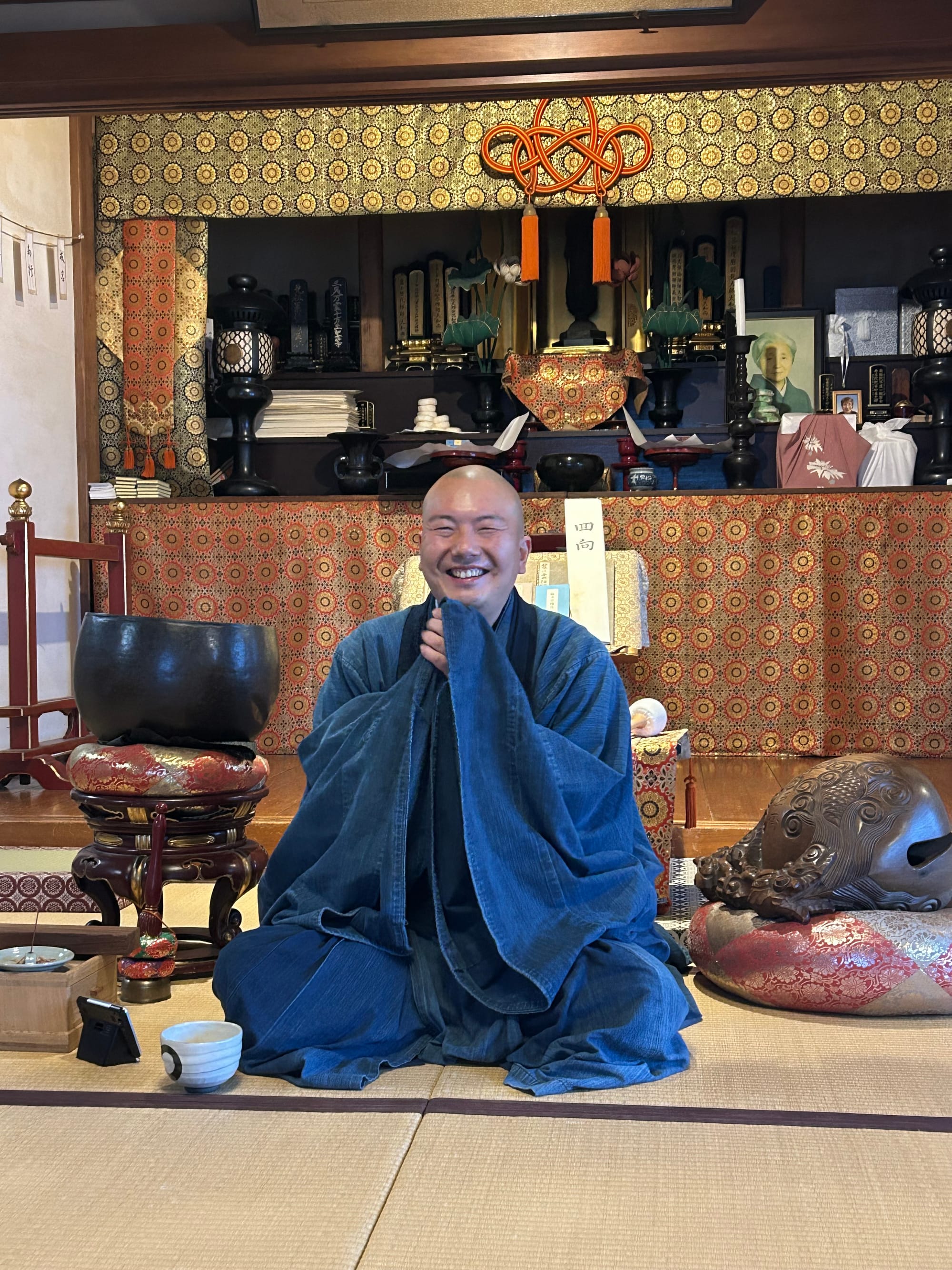
We kicked off the adventure not in the neon-drenched future, but in a richly grounded past. We visited a Rinzai Zen Buddhist temple, Kinryu-ji, where a monk led us in a session of traditional zazen meditation.
The silence, broken only by the occasional shuffle of a robe or the distant city hum, was profound. It wasn't about clearing the mind entirely, but about anchoring it—a sensation I hadn't felt in months.
This was followed by instruction in the serene art of calligraphy, where I watched the monk move a brush with the fluid confidence of a dancer, and finally, a sublime matcha tea ceremony. The vibrant green liquid, whisked to a delicate froth, tasted earthy and complex, a warm ritual that provided a beautiful, quiet start to a very loud trip. It was the perfect counterpoint to the rush I knew was coming.
That rush arrived with the next stop: SHIBUYA SCRAMBLE SQUARE. I wanted to see the world's busiest pedestrian intersection from a new perspective, and there’s no better place than the SHIBUYA SKY observation facility. We soared more than 751 feet into the air—a dizzying ascent that put the entire metropolis into breathtaking perspective.
Up there, the chaos of the pedestrians below, which moments before had seemed overwhelming, became a choreographed, mesmerizing ballet of humanity. The horizon was a shimmering panorama of glass and steel, beyond it rising the majestic, snow-capped cone of Mt. Fuji (12,389 feet). It was a humbling moment—again, a strange contrast of past and present—that symbol of ancient Japan silhouetted above the sprawl of its high-tech, ultramodern metropolis.
One of our other favorite stops in Tokyo was about unleashing a different kind of energy: rhythm and raw power at TAIKO-LAB. Here we learned how to practice taiko, a traditional form of Japanese drumming that is both an intense, high-energy cardio workout and a spiritual release all at once. Standing before a giant drum, I learned the vigorous choreography, the precise stances, and the explosive movements required to produce those booming, resonating notes. There was a lot of exhilarating shouting—the kiai—that focused the energy and turned the music into a communal roar. It was a visceral experience that stayed with me long after the class ended. I left TAIKO-LAB exhausted, but exhilarated.
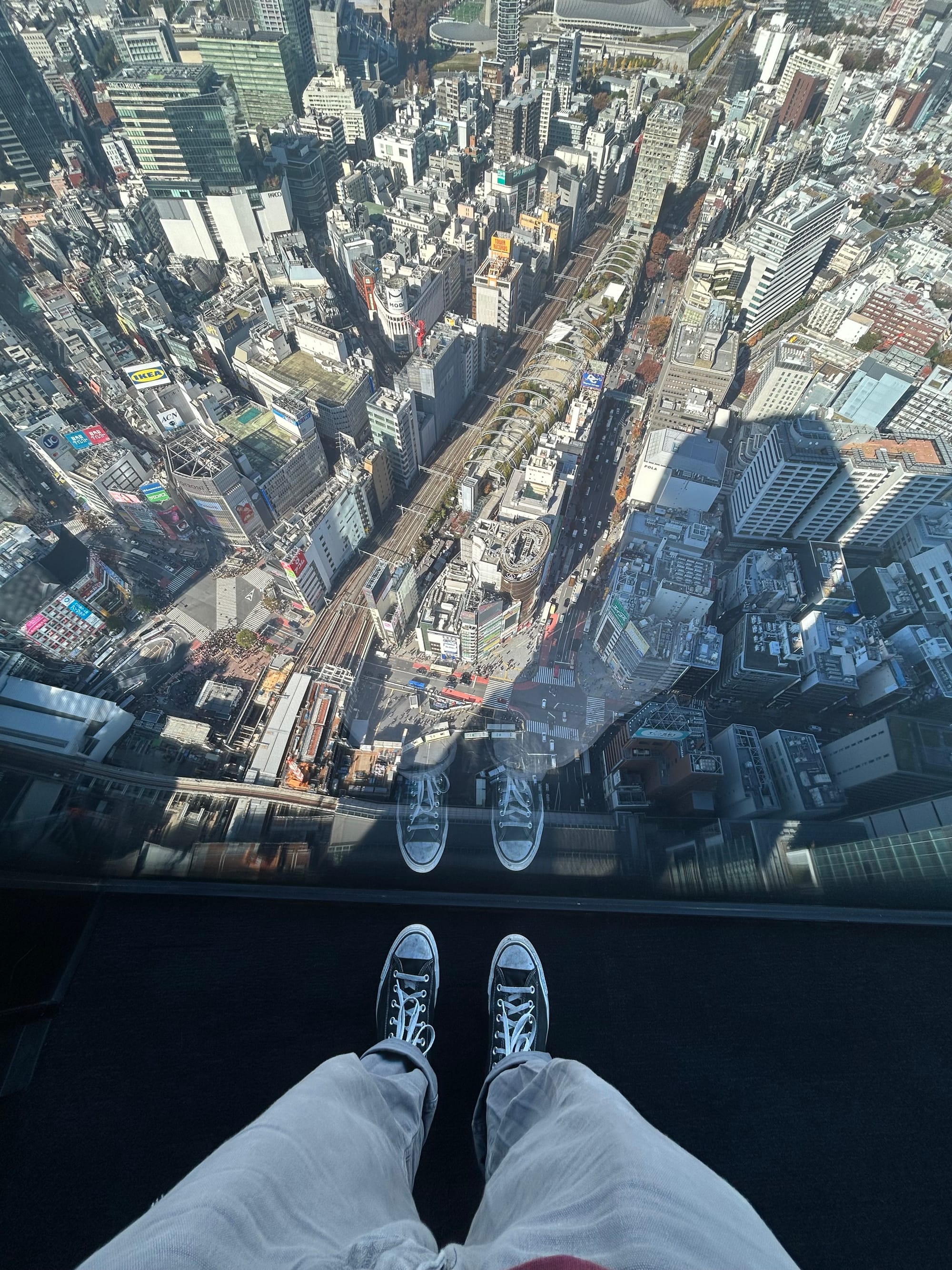
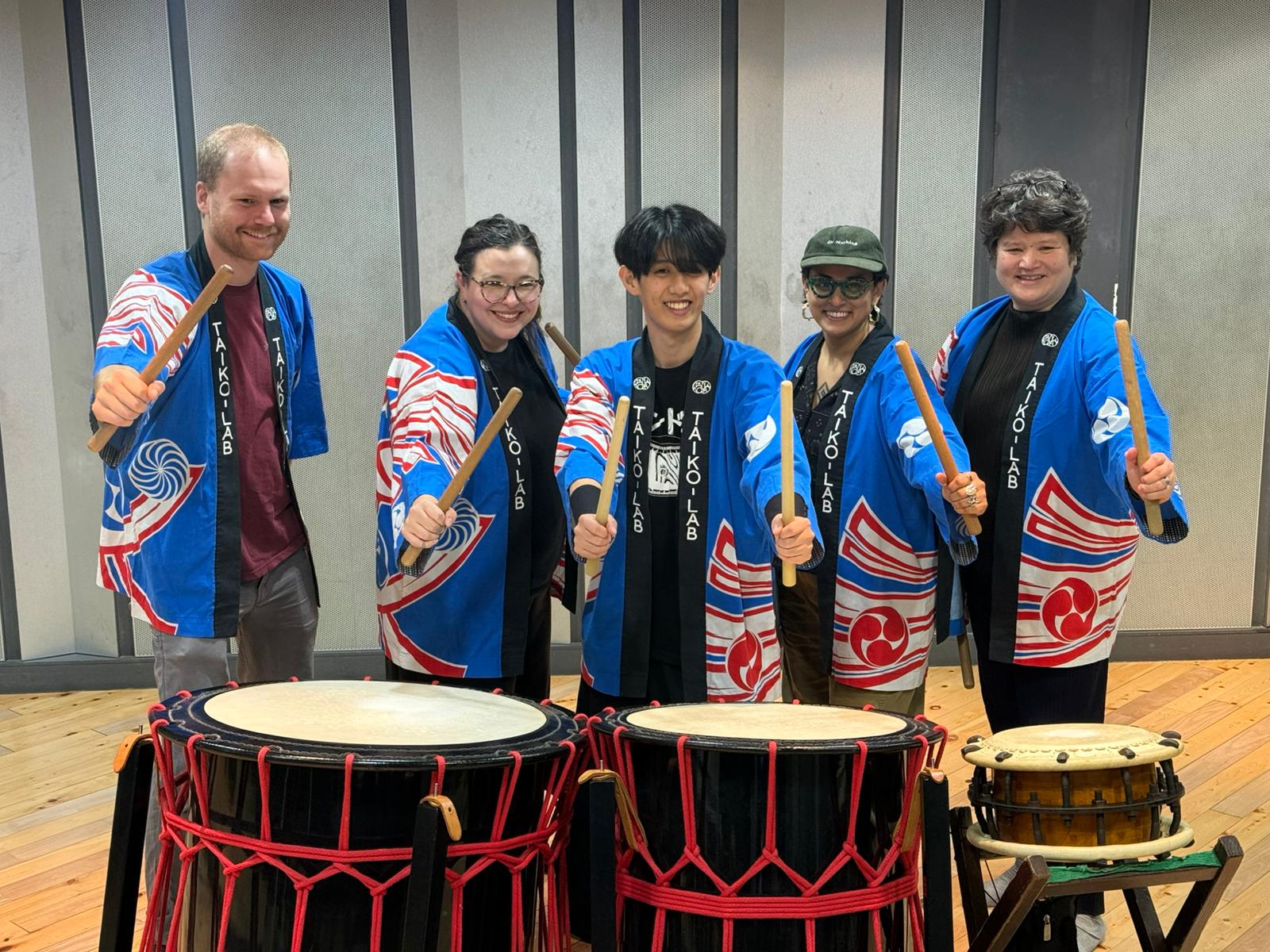
Vistas of the metropolis at SHIBUYA SKY (left) and drumming at TAIKO-LAB (right).
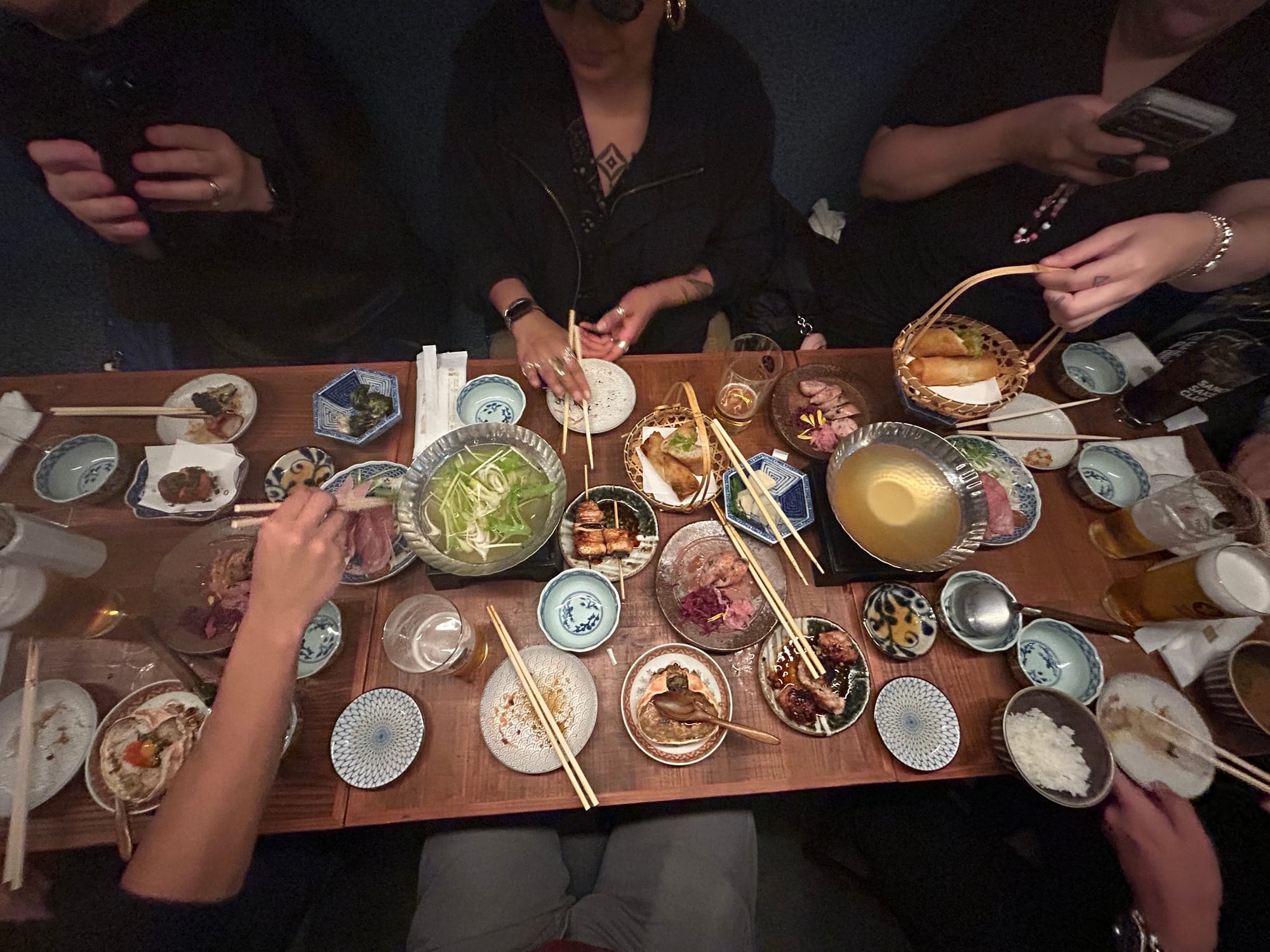
That night, we enjoyed a night out in Sangenjaya (“Sancha”), one of Tokyo’s trendiest neighborhoods. We ducked into Sancha Ikkyu Hanare, a cozy, bustling izakaya restaurant that perfectly captured the neighborhood's laid-back, bohemian vibe.
The air inside was thick with the savory aroma of traditional dishes—from yakitori to karaage, sashimi, edamame, agedashi tofu, tamagoyaki and more—and the lively chatter of locals unwinding after a long day. Over shared plates and cold beers, we soaked in the intimate, authentic atmosphere that makes Tokyo's dining culture so legendary. It was the perfect capstone to a physically demanding day—especially after all that taiko drumming!
After the dizzying heights and intense energy of Tokyo, we flew south to Kyushu, stepping into a quieter, older side of Japan and visiting the provinces of Miyazaki and Kagoshima. The transition itself was seamless: we flew with Japan Airlines (JAL) from Tokyo, and the flights were fast, clean, and surprisingly affordable. (As a pro tip for anyone making this journey, if you’re lucky, you might even be treated to more views of Mt. Fuji as you fly south!)
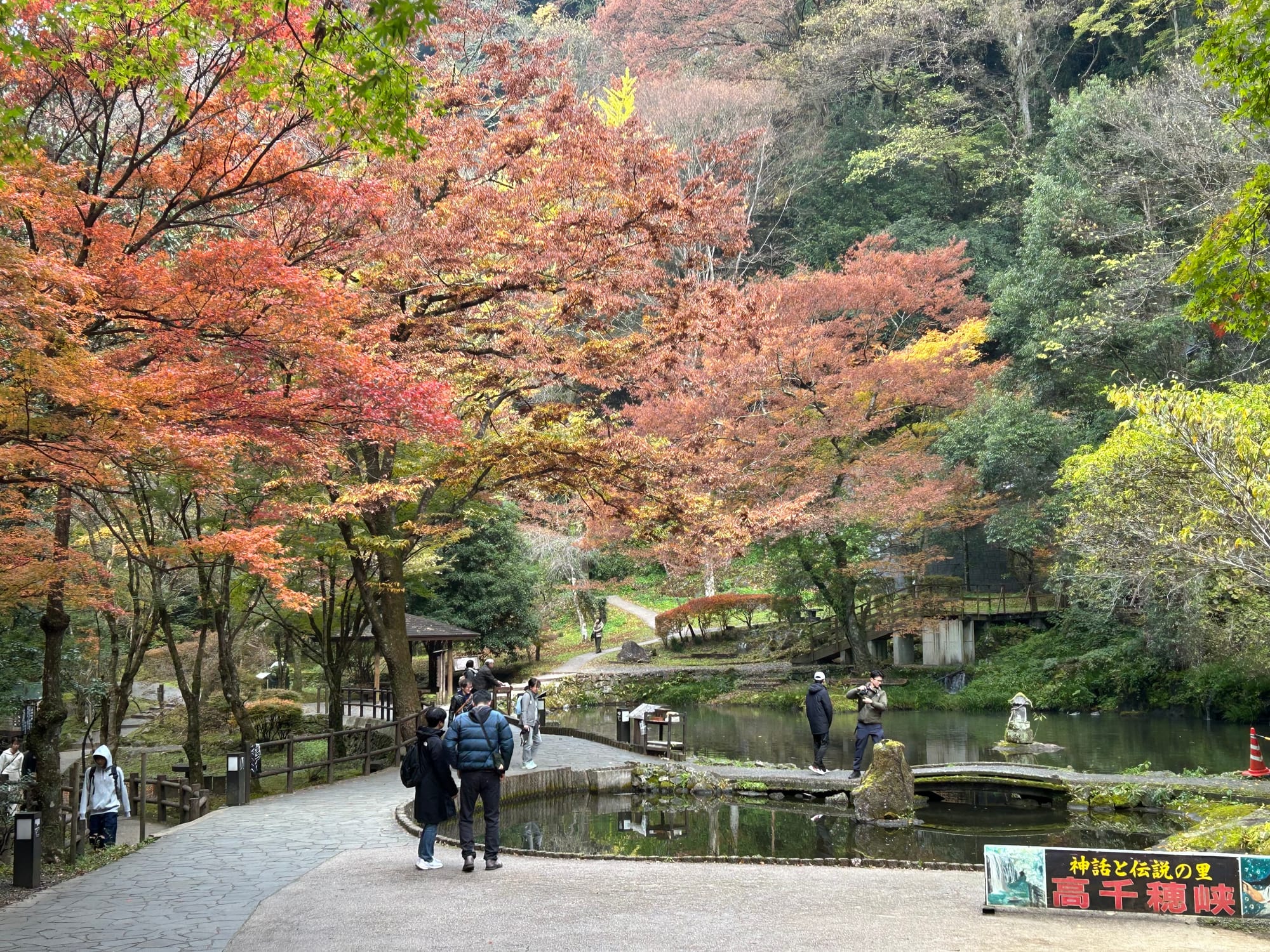
Our first major stop was the spectacular, deep Takachiho Gorge. This location is a geological wonder, with dramatic columnar basalt cliffs soaring hundreds of feet above a turquoise river. But we didn't have to jam up with other tourists at a well-known viewpoint. We linked up with local outfitter Trailhead Takachiho, who introduced us to the world of packrafting: portable rubber boats that can be inflated with air and carried into remote areas.
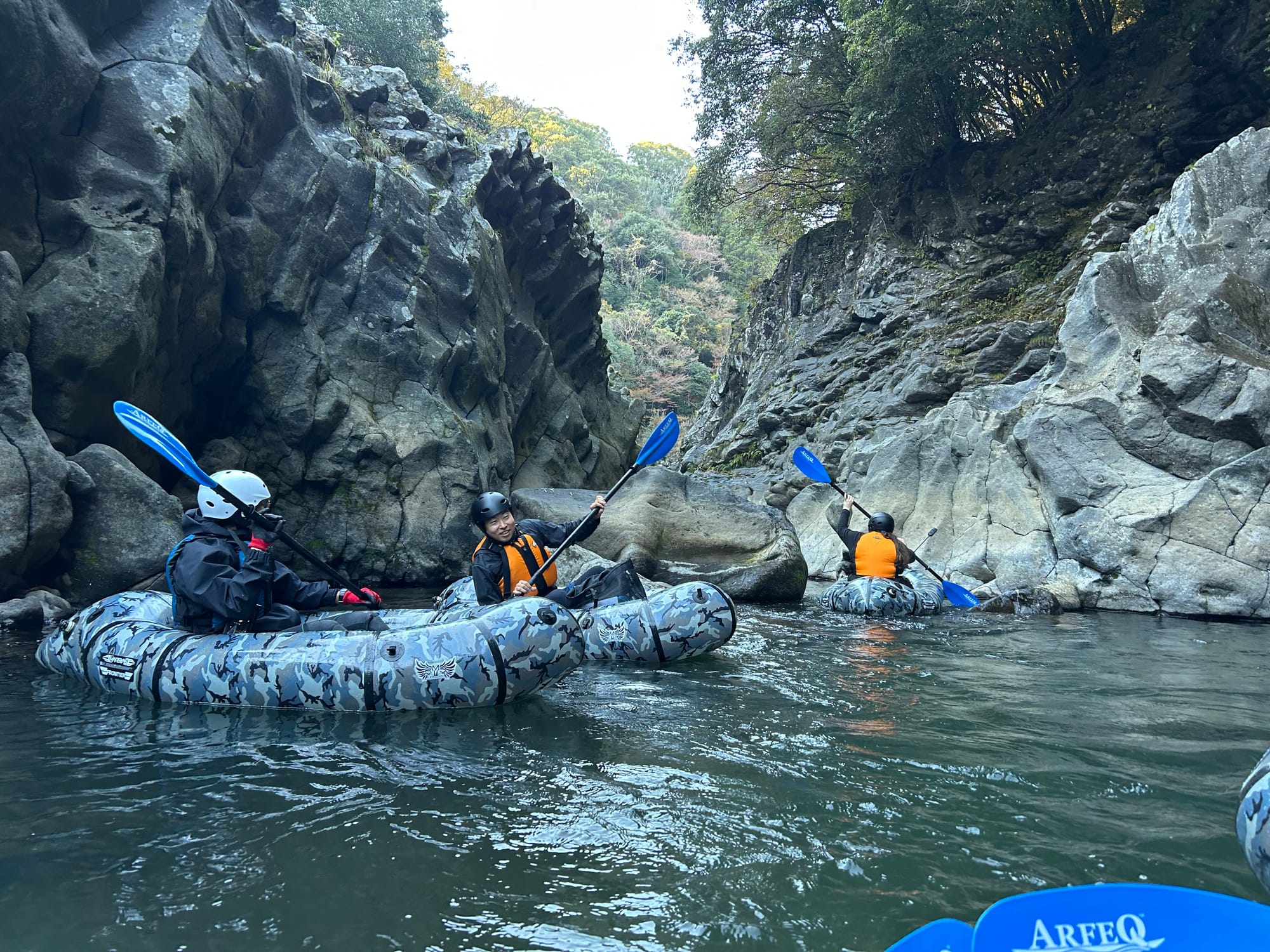
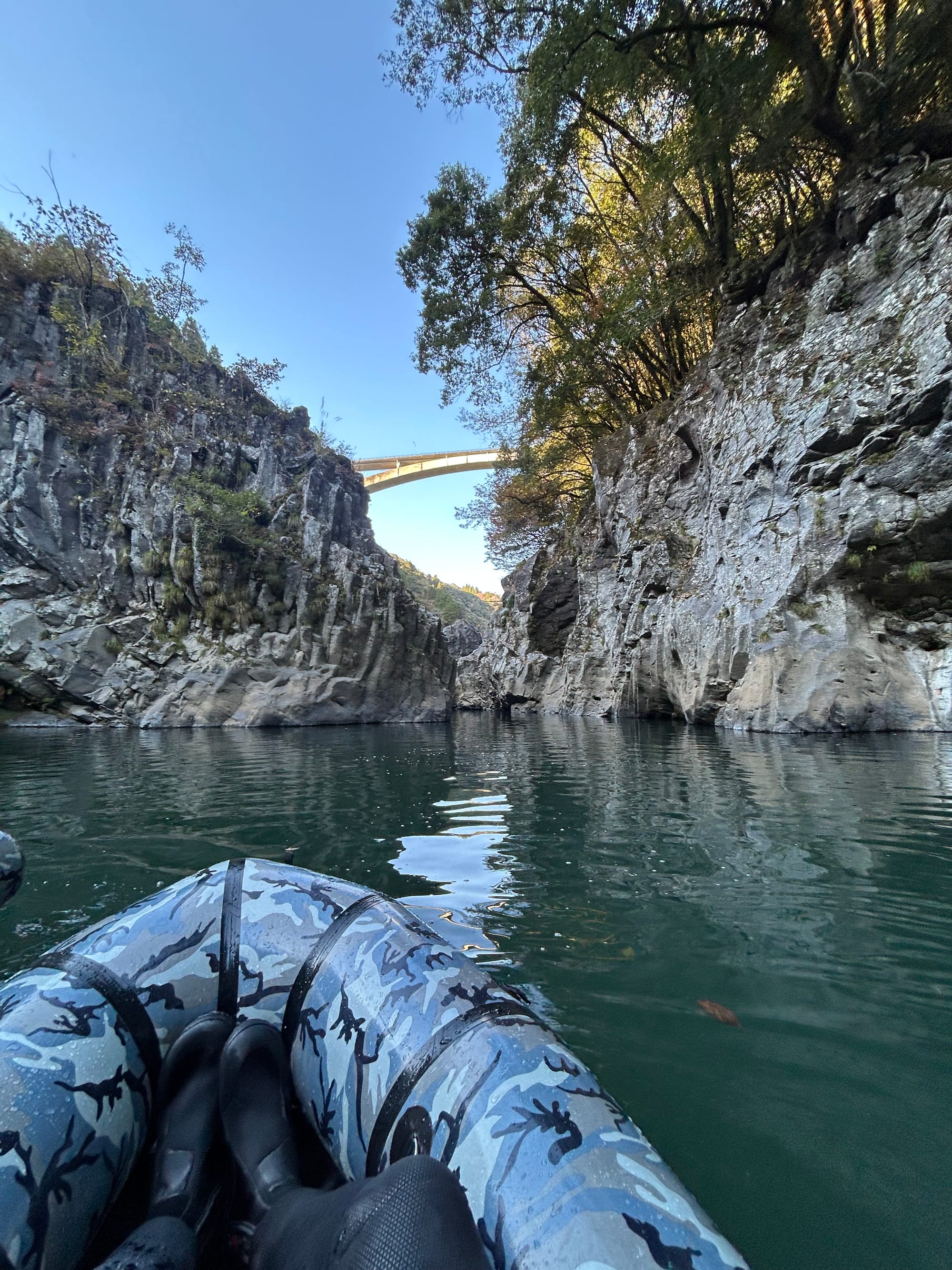
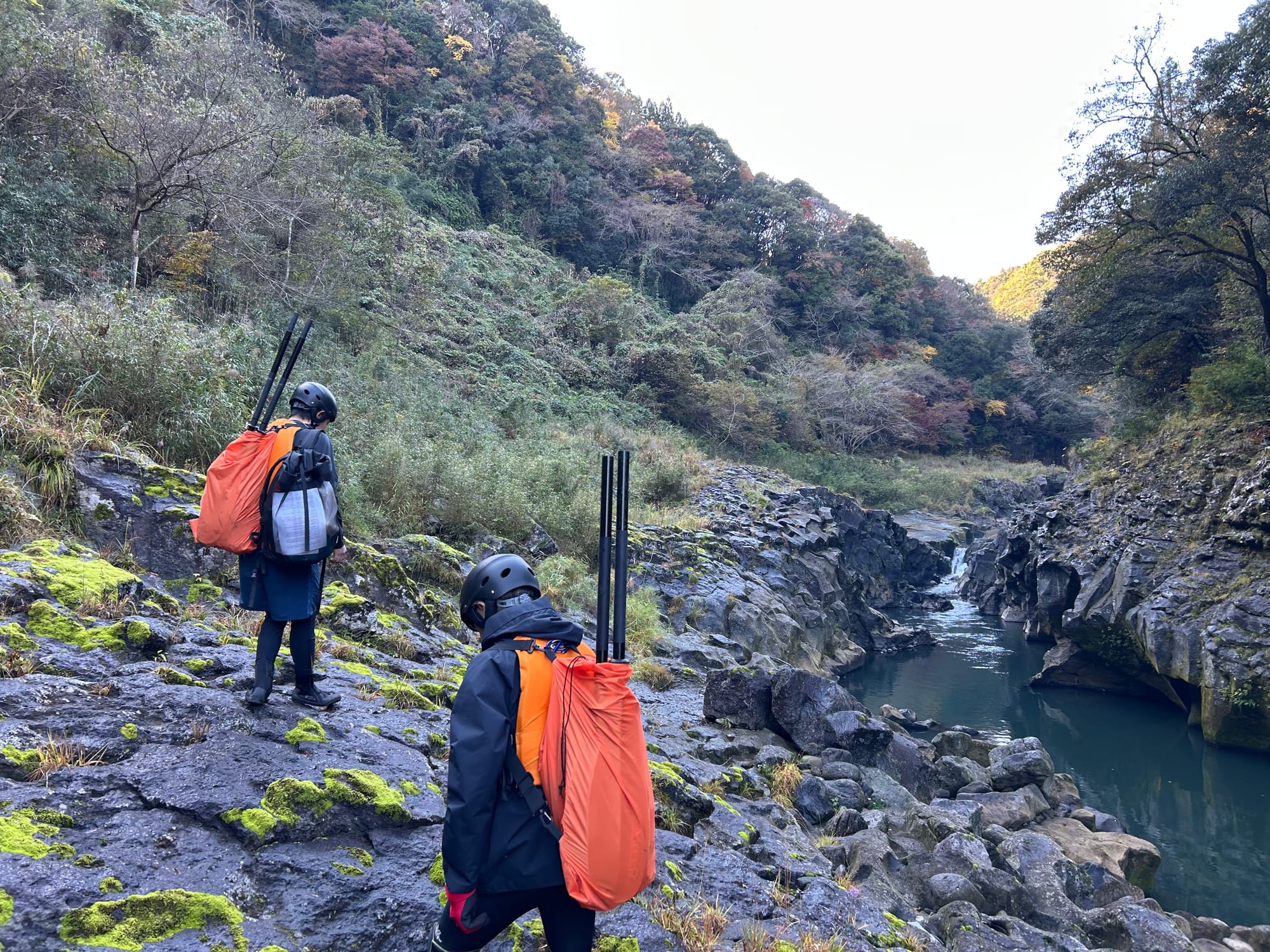
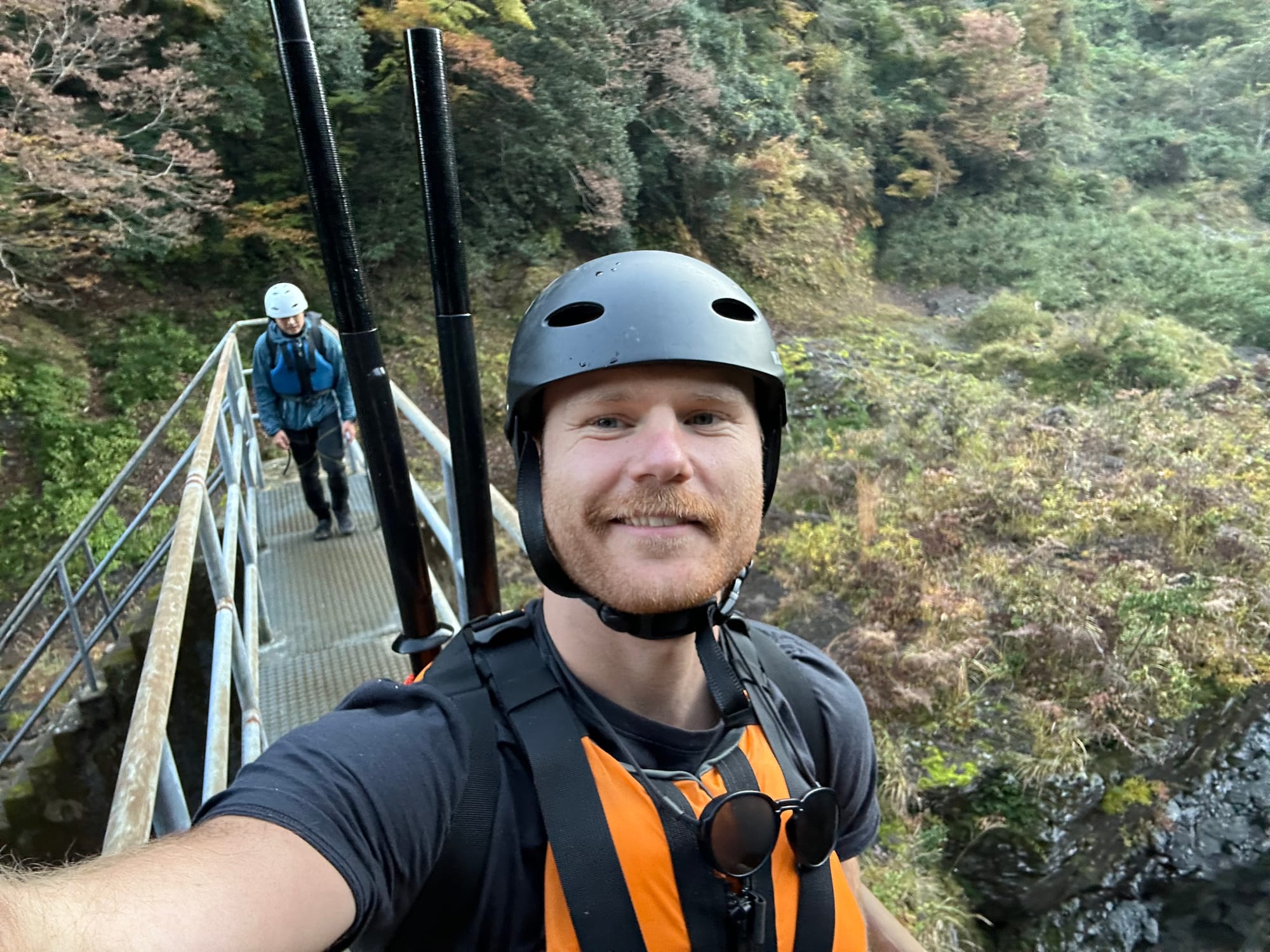
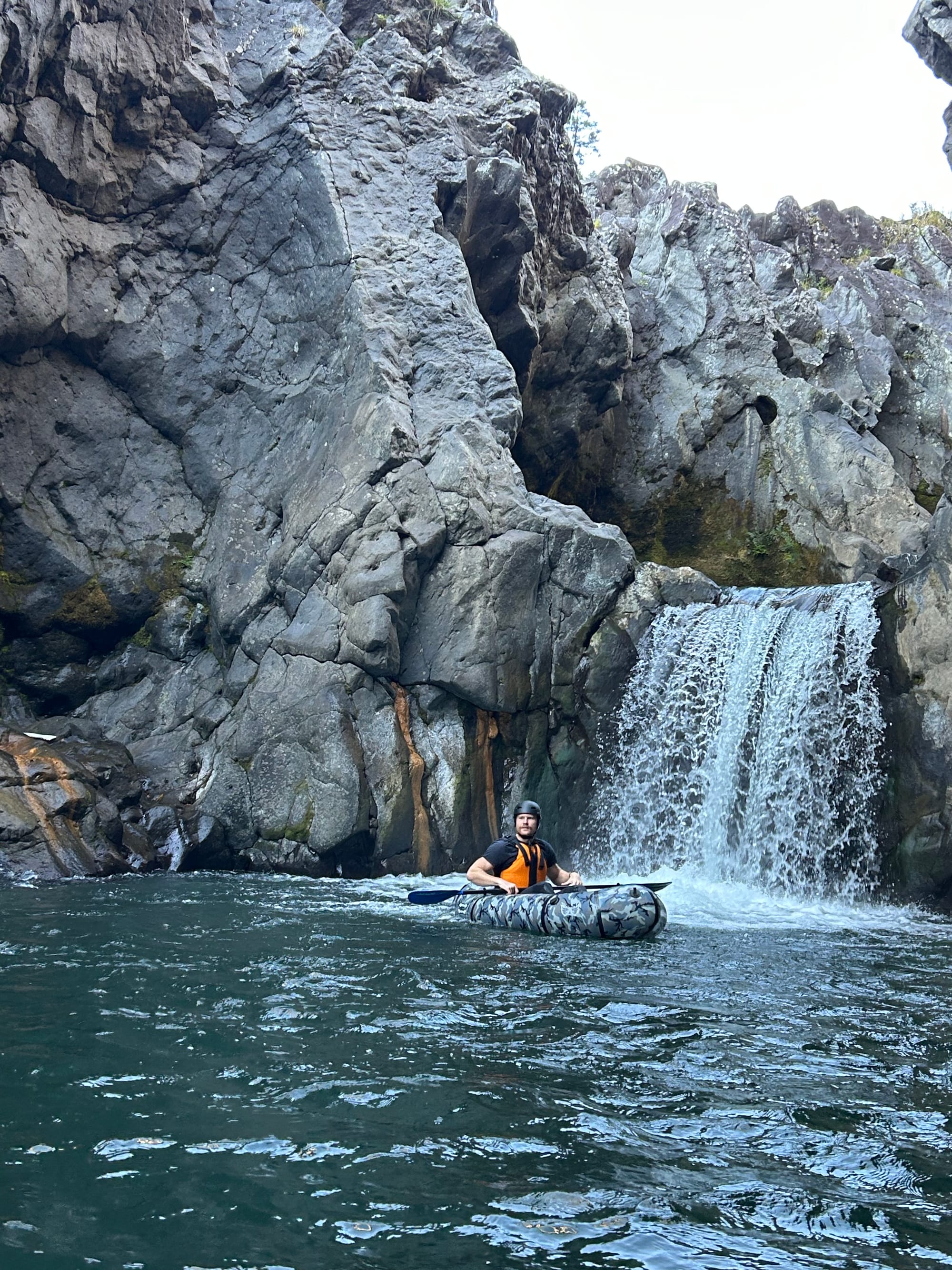
Packrafting in remote corners of the Takachiho Gorge.
We paddled up the gorge to a pristine waterfall, each of us paddling our own small, sturdy craft. The gorge walls closed in around us, the air cooled, and the sound of the outside world completely vanished. The experience of floating beneath the waterfall's cascade was utterly magical—a hidden gem that made each of us feel like we’d “discovered” something new.
Later, we witnessed the Takachiho Kagura, an ancient Shinto dancing ritual performed late at night at a nearby shrine. The atmosphere was thick with history and reverence, as we watched a series of four dances dedicated to the gods. Gazing at the masked performers, bathed in the soft, flickering light, was unforgettable.
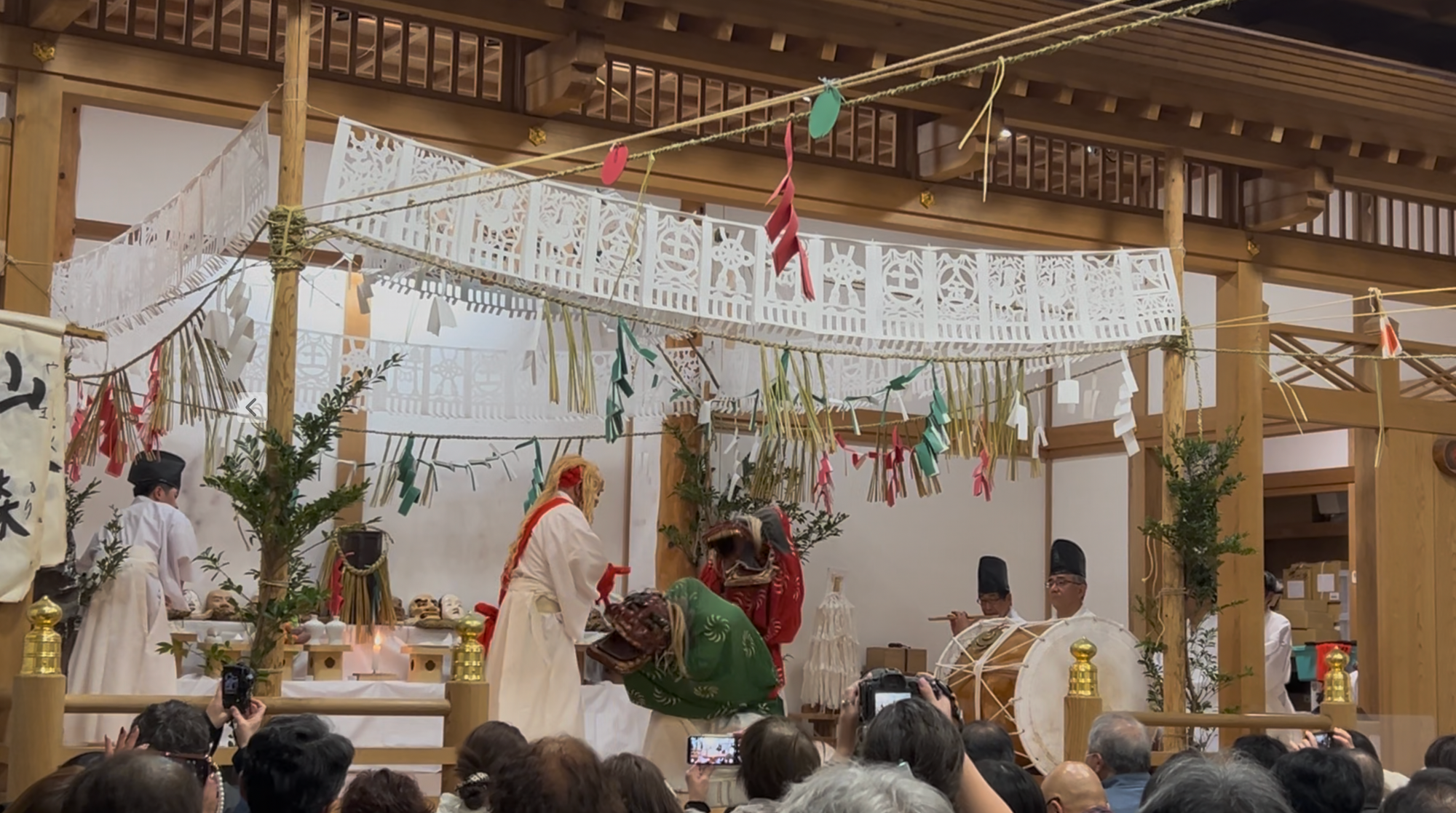
Again, the experience was of great contrasts; an art form that connects the modern viewer directly to the country's oldest spiritual traditions. (A local deity, a boisterous masked dancer, even approached and symbolically ‘ate my head’—apparently, it’s good luck. I’ll take it!)
The serenity continued the next day at Manai Falls, one of Japan’s most beautiful waterfalls, which is along another, more easily accessed section of the Takachiho Gorge.
The sight of the water plunging from a dark-green cliff face into the river below is classic Japan. You can stroll alongside the dramatic columnar basalt gorge for an elevated view, but for the closest, most immersive experience, I recommend renting a rowboat and paddling right up to the falls.
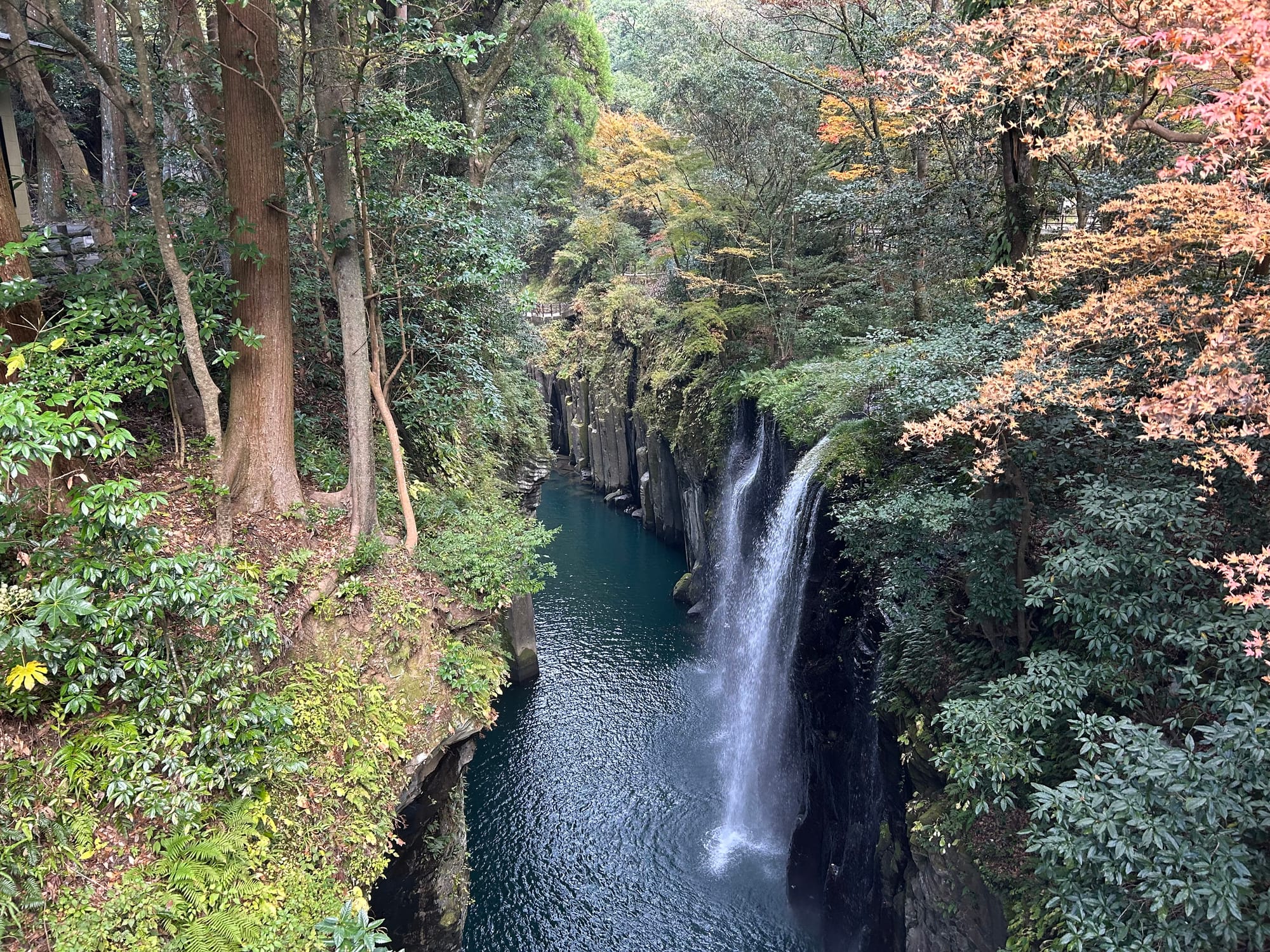
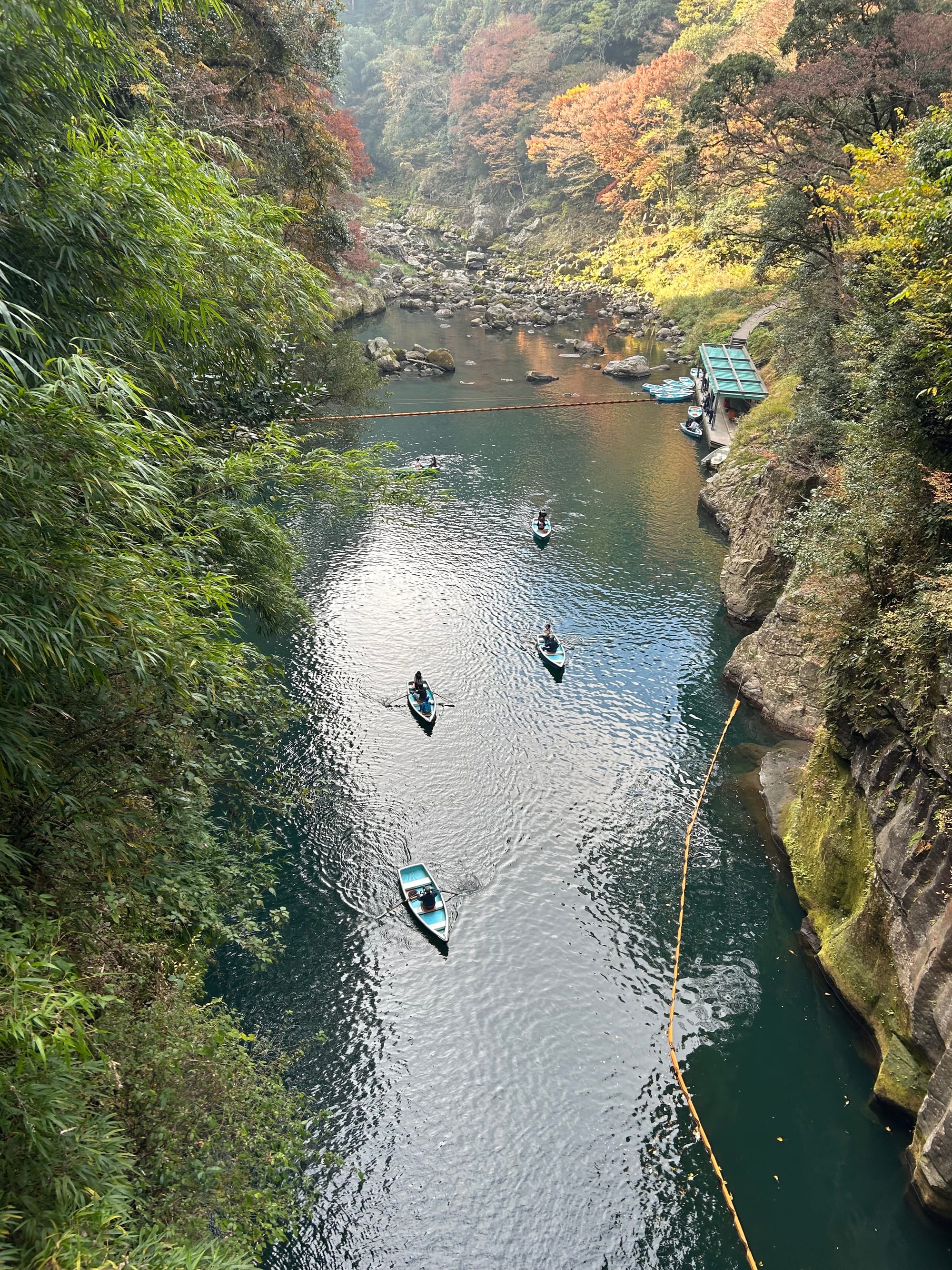
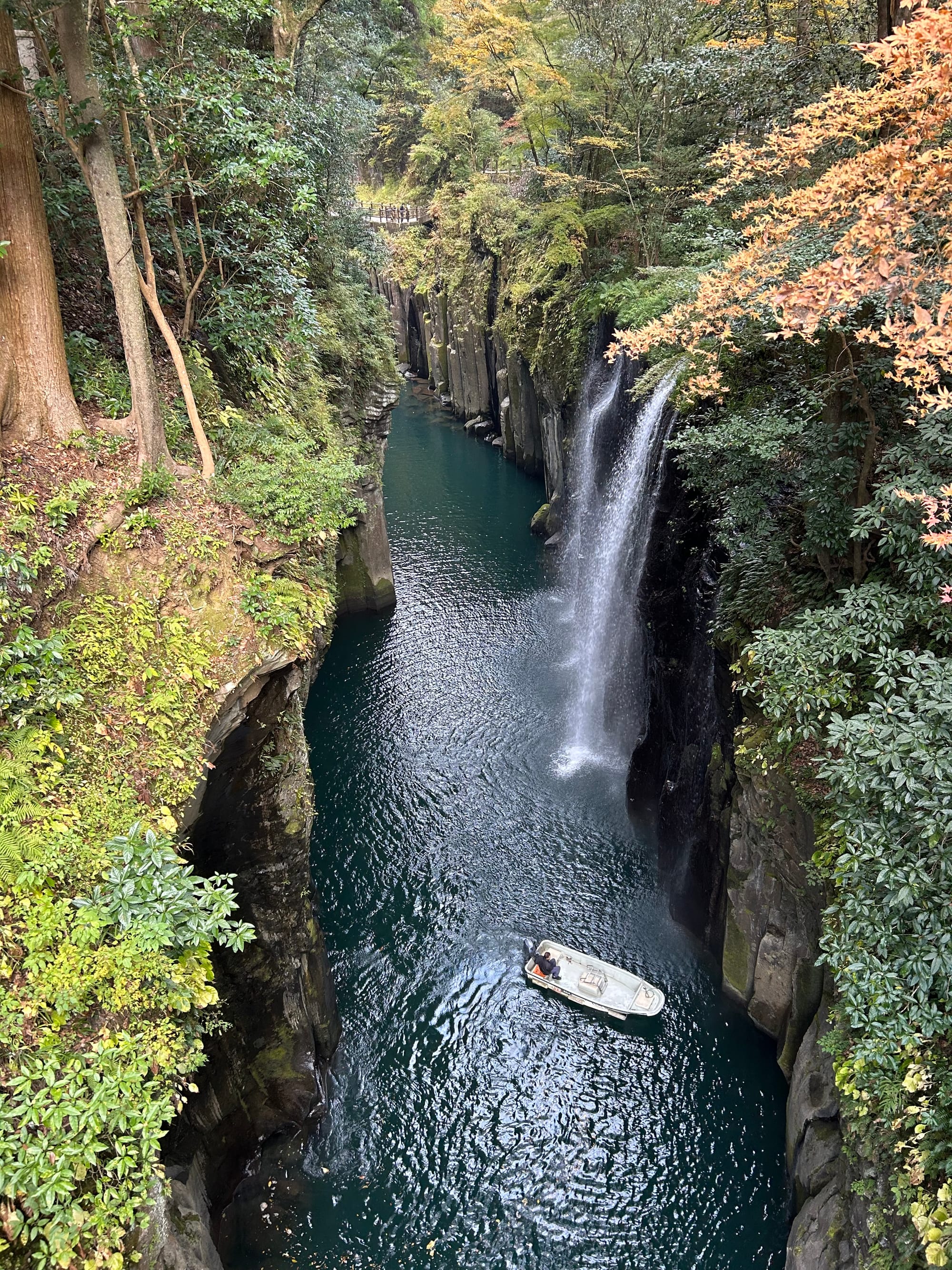
Manai Falls, one of Japan's most beautiful waterfalls.
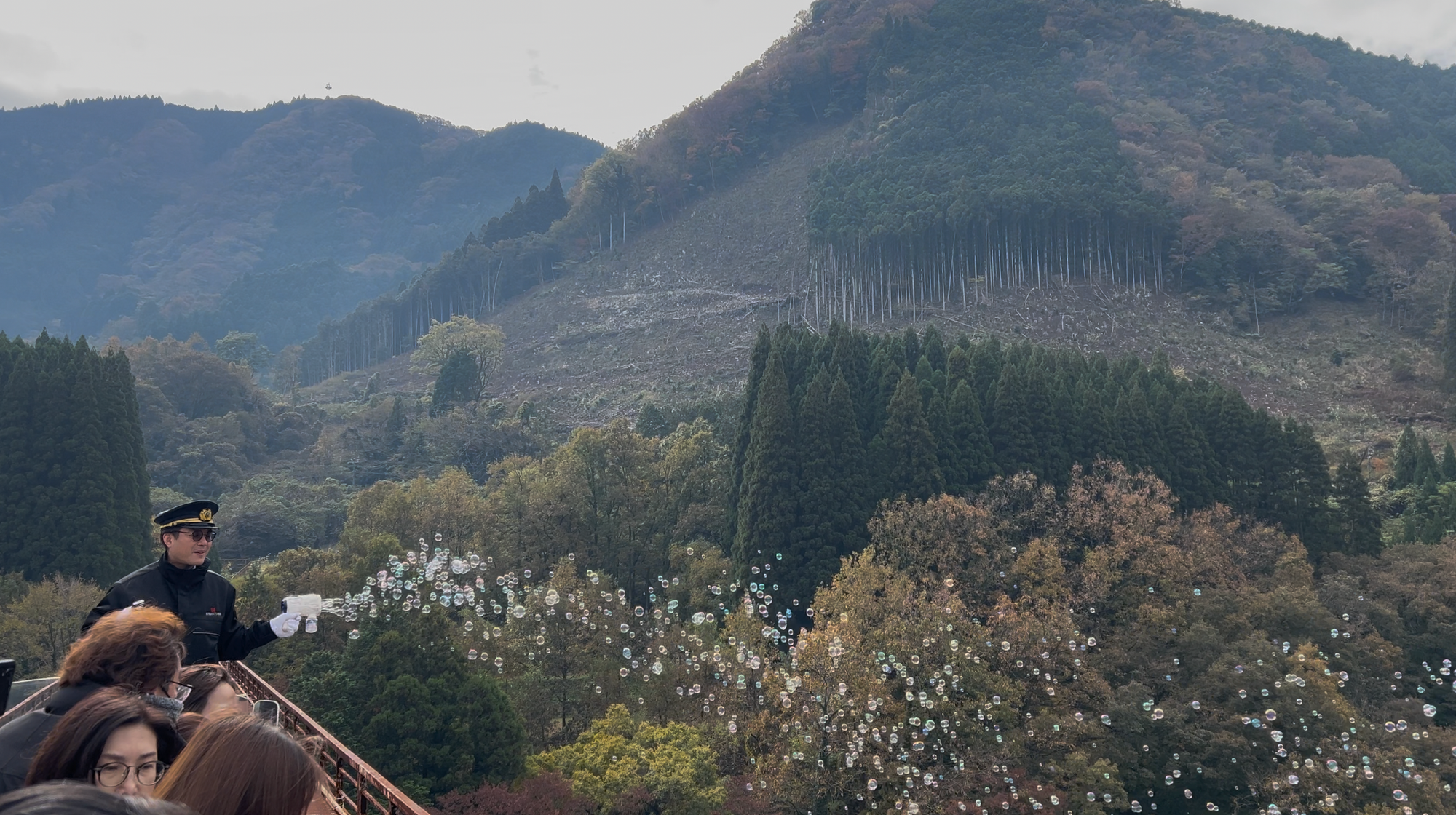
We later took a ride on the Amaterasu Railway. This isn't your typical commuter train; it runs across Japan’s highest railroad bridge (345 feet!) in an open-car setup. The sky-high thrills were immediate. The views of the surrounding valley are epic, a magnificent patchwork of fields and forests.
The best part, however, was the conductors blowing thousands of bubbles into the air around us—a simple, joyful touch that made the whole experience feel like a playful journey through the clouds, à la Hayao Miyazaki.
A couple of days later, we were at Aoshima Shrine. Located on a tiny, lush island connected to the mainland by a pedestrian bridge, this vibrant vermilion shrine is famously surrounded by the “Devil's Washboard,” striking, corrugated basalt rock formations shaped by centuries of crashing waves. Walking through the dense, tropical jungle path to reach the main altar felt like stepping into an ancient myth. (Again, I was reminded of Miyazaki’s Princess Mononoke.)
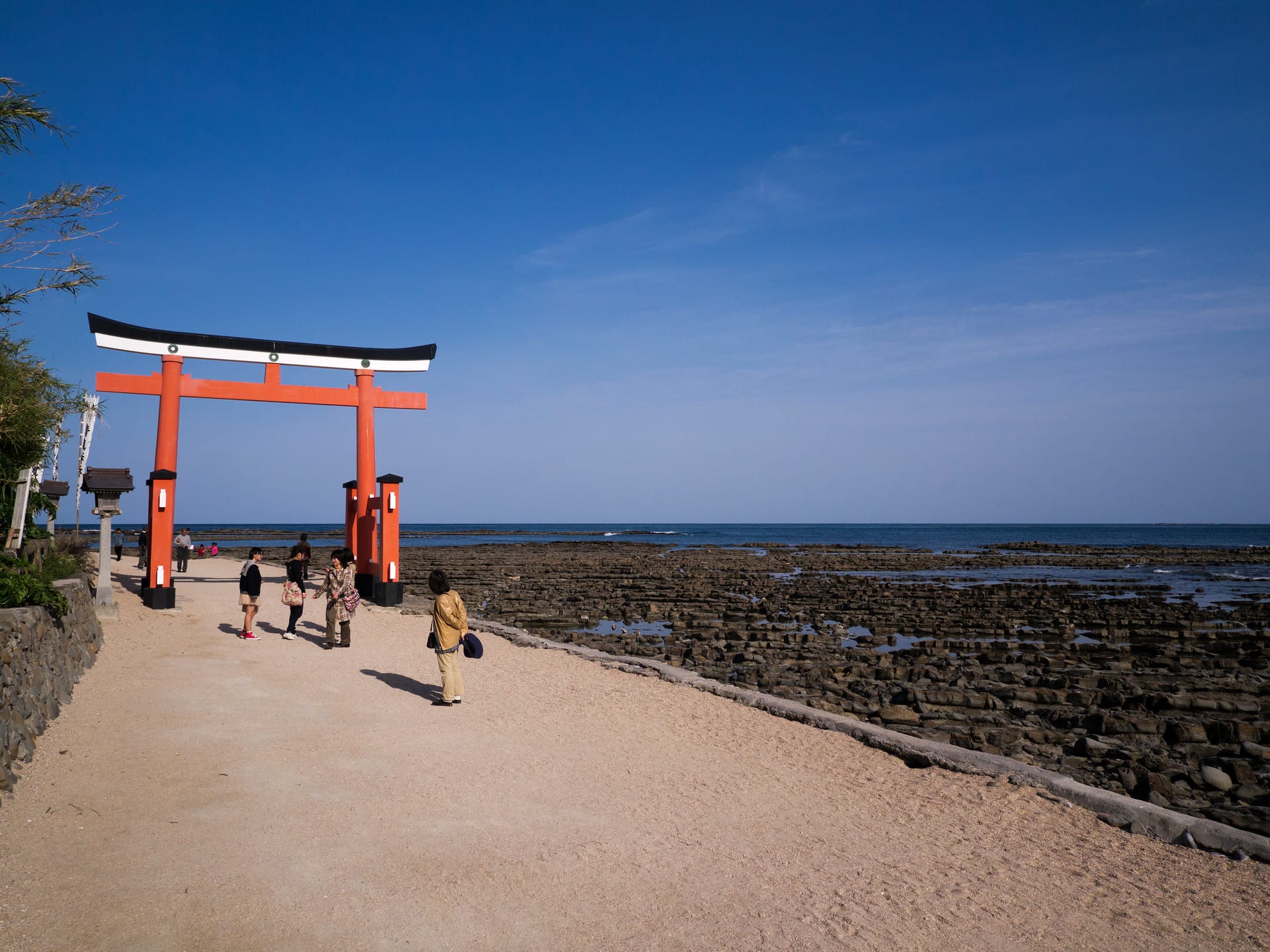
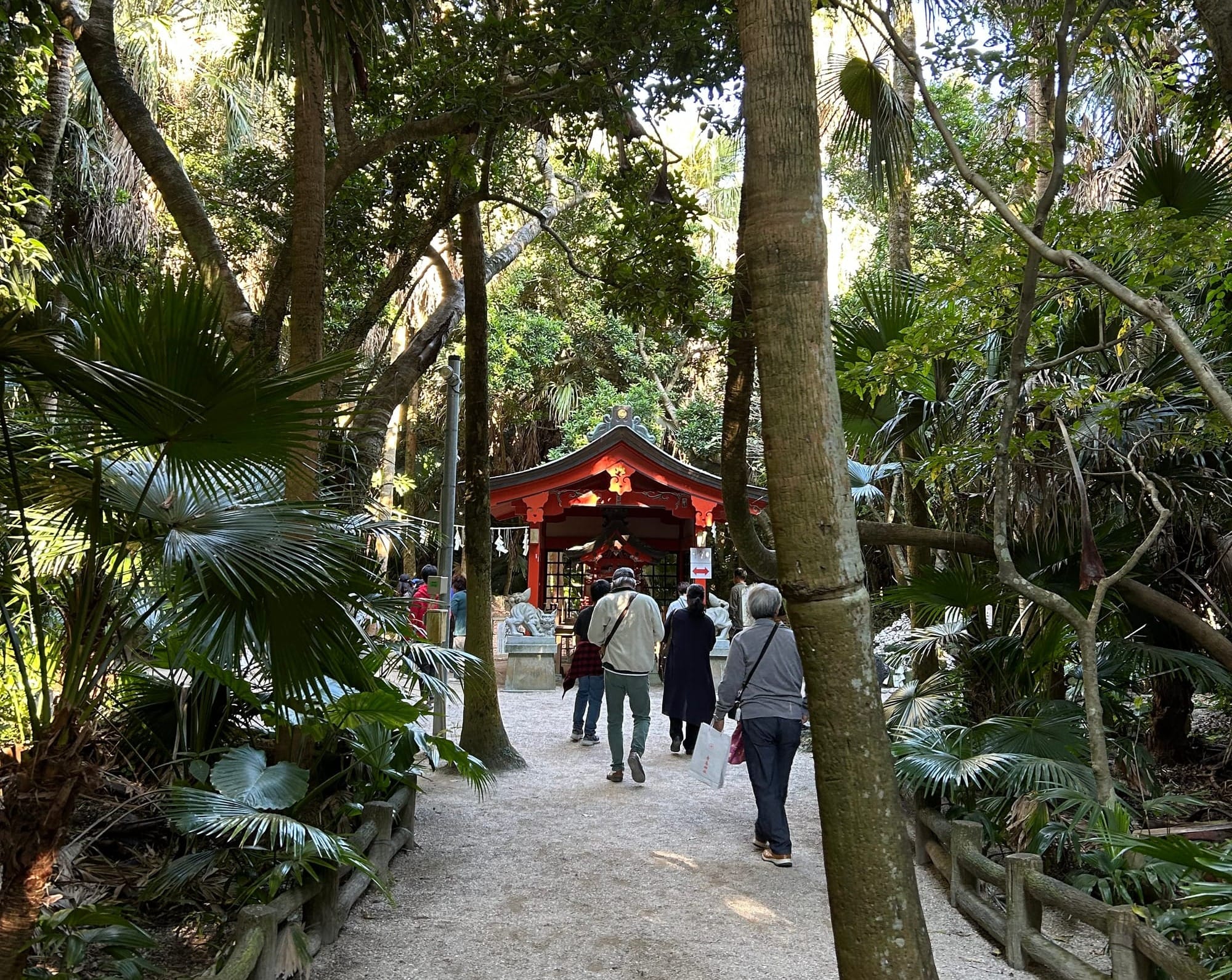
We all paid our respects at the shrine, purifying ourselves at the water pavilion (temizuya) outside and then, after approaching the shrine, bowing twice, clapping twice, and bowing again in the traditional Shinto manner.
Another favorite stop in Miyazaki Prefecture was into the world of Japanese spirits at KIRISHIMA SHUZO. Their shōchū is legendary, one of the best-selling in the world (it’s even been served at the Oscars).
Touring the factory was fascinating. We saw the meticulous process firsthand, from the selection of the sweet potato and rice koji to the distillation. The scale of production, with such strict quality control, is mind-blowing. The tour culminated, as it should, with a delicious sampling of this clear, complex Japanese spirit. It was smooth, powerful, and I probably had a bit more than I should’ve…
The tour continued with a visit to Sakurajima, one of Japan's most active volcanoes, looming majestically over Kagoshima Bay. Constant plumes of ash billowed from its jagged peak, a stark, daily reminder of the raw geothermal power thrumming just beneath Kyushu's surface.
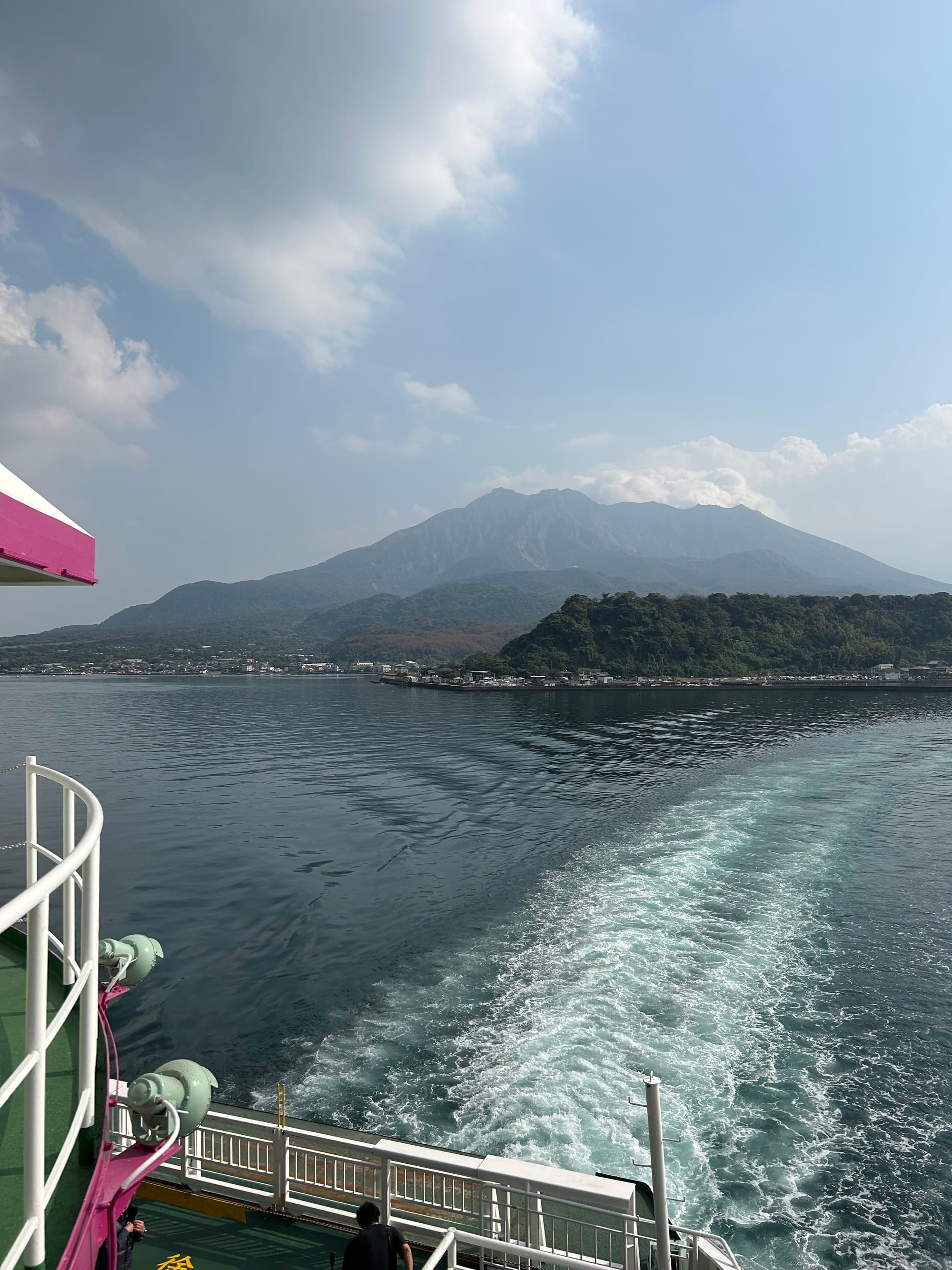
We took a short ferry ride across the bay, marveling at the rugged, lava-scarred landscape that blankets its base, and then visited a museum to learn more about the region’s geological history. Standing in the shadow of the smoking peak was deeply humbling, perfectly encapsulating the untamed natural beauty of southern Japan.
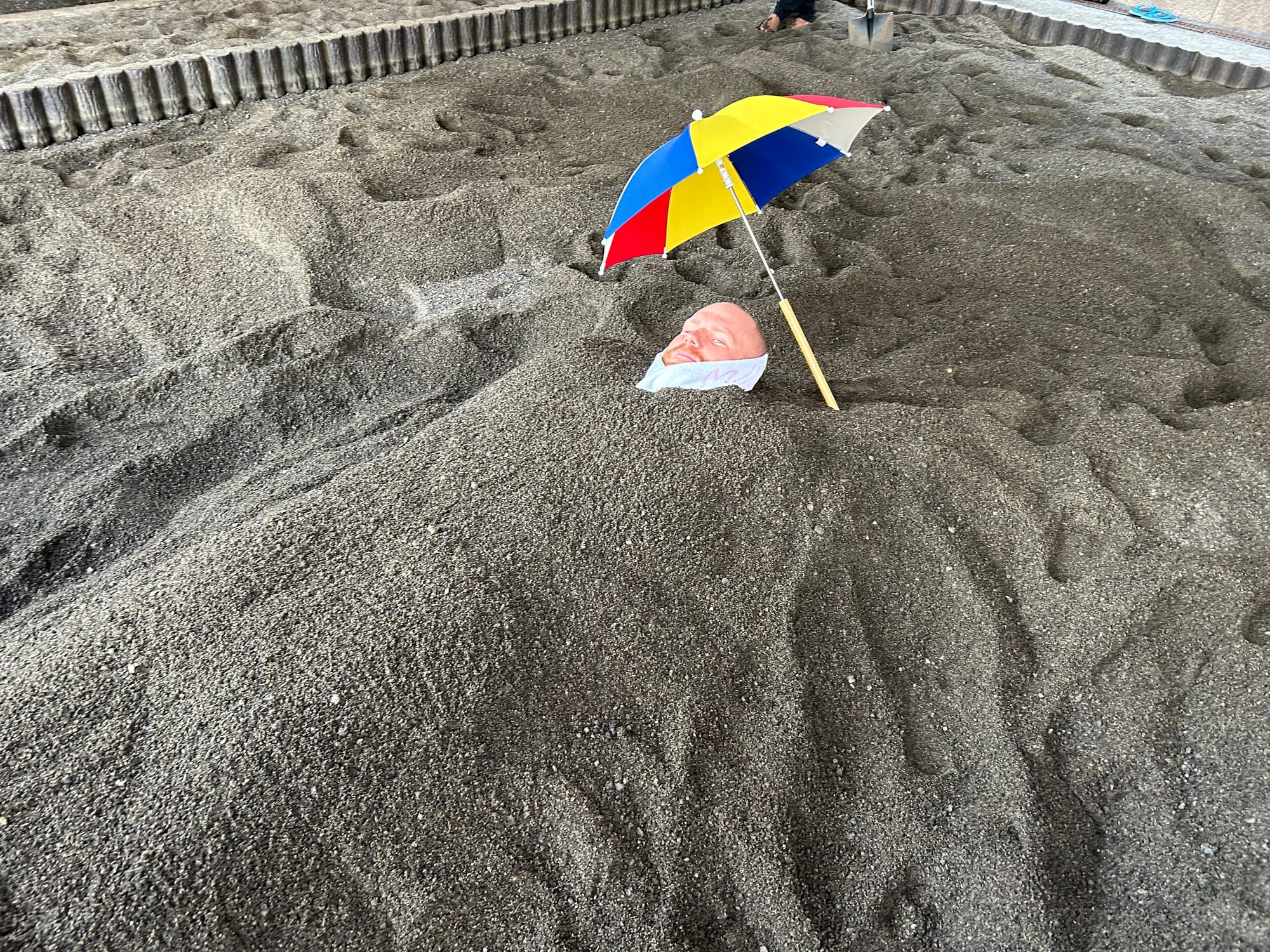
After our visit to the volcano, we stopped at Saraku Sand Bath Hall, along the coast south of the volcano. This “hot sand bath” experience was another highlight of my voyage through Kyushu. Clad in light cotton yukata robes, we stepped into holes dug on the beach and lay down while attendants swiftly buried us up to our necks in heavy, volcanically-heated sand.
The sensation was immediate and intense, a full-body compression that drew out buckets of sweat as we listened to the soothing, rhythmic crash of the nearby ocean waves. After about fifteen minutes of this earthy roasting, we emerged from the sand feeling surprisingly lighter, deeply relaxed, and completely revitalized.
Beyond our night out in Sancha, the trip also included plenty of delicious cuisine. That’s because Japan is, unequivocally, a total foodie paradise. (Tokyo alone has more Michelin star restaurants than any other city in the world!) On our trip, we got to go behind the scenes, to witness the artistry and dedication that goes into creating some of the world's finest delicacies.
Later, we headed to Ibusuki City for that Katsuobushi Factory Tour I mentioned earlier. Shortly before meeting the CEO, we entered a -50°C freezer where the massive dried fish logs are stored. I could feel the snot freezing in my nose, and the wet towels we were given as props froze solid in mere seconds!
The next day, we dedicated time to the quiet art of green tea. At Wakohen, one of Japan’s largest tea companies, I learned to appreciate the sophistication behind this seemingly simple beverage. I sampled some of the country’s finest teas, such as the light, grassy sencha. But the highlight was the hands-on lesson: mastering the delicate roasting and brewing techniques myself.
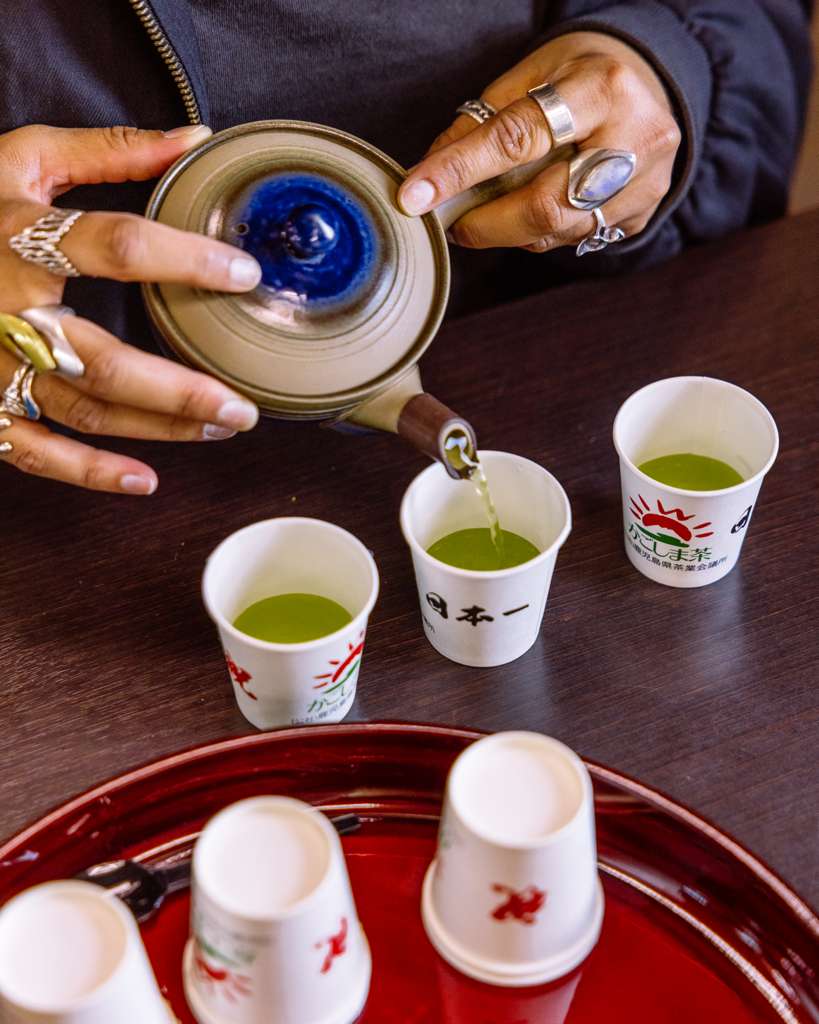
I learned that the water temperature, the steeping time, and even the way the leaf is harvested all contribute to the final, complex flavor. It was a lesson in patience and precision, a metaphor for the Japanese spirit. I came away with a handmade teapot, which I’ve been using to brew my own green tea ever since I came home!
This trip, supported by the Tokyo Convention & Visitors Bureau, was a journey of contrast—from the high-speed trains of innovative Tokyo to the quiet depths of a cup of green tea.
It’s not one I’ll soon forget.


